 Brazil Hub
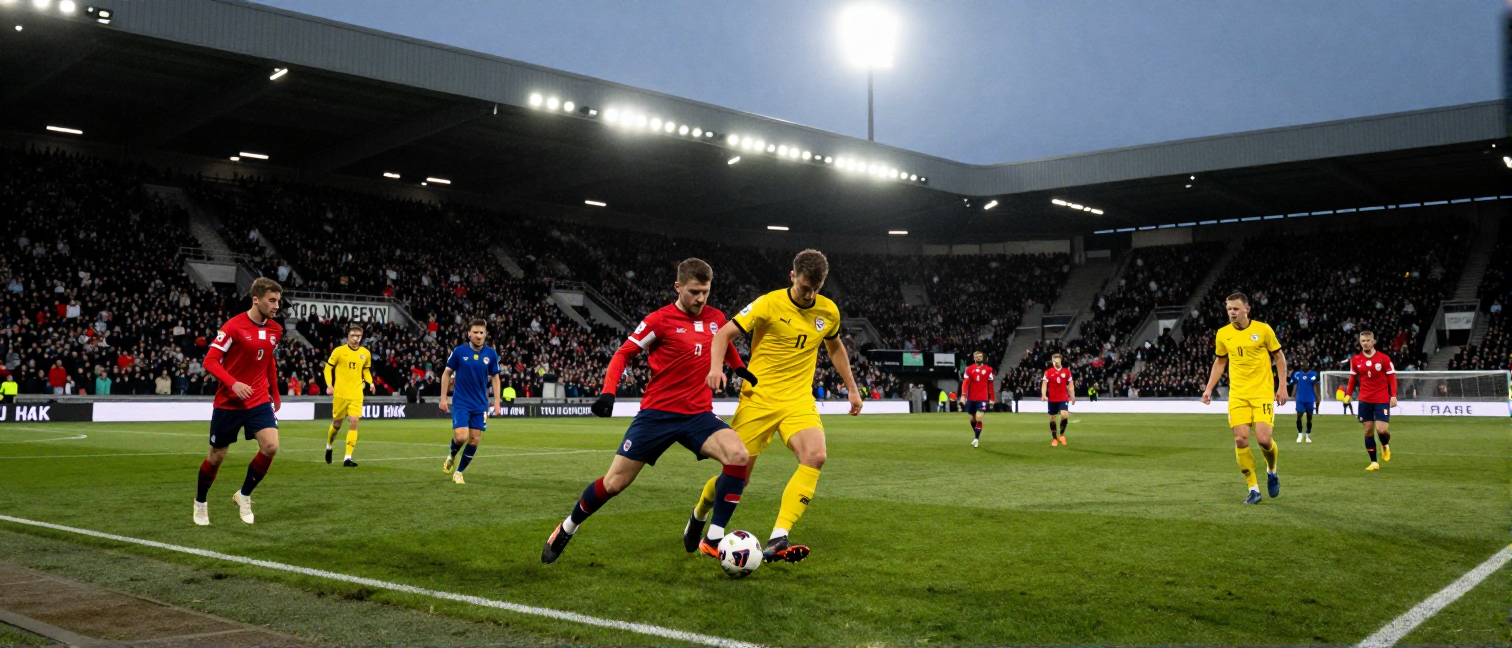
Brazil was knocked out by Norway in the group stage of the 2026 World Cup, extending the title drought that dates back to 1994. The setback came after a 2‑1 loss, leaving Brazil out of the tournament that ends in July.
Why couldn't Brazil advance?
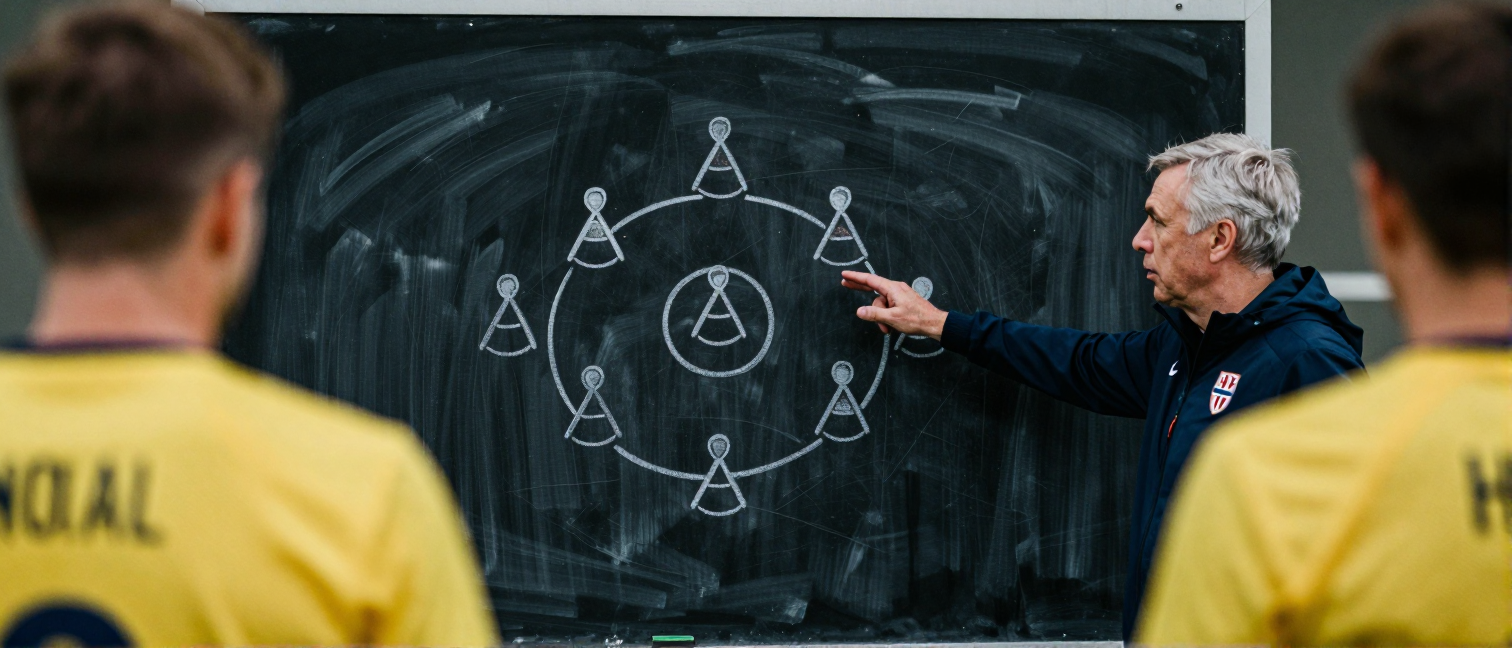
Experts point to the loss of the improvisation that defined Brazilian football from the 1950s to the 80s. Celso Unzelte, ESPN researcher, says “improvisation has less room; the game has become more tactical and physical.” This echoes Anderson Gurgel, sports journalism professor, who sees the romanticization of hegemony as a barrier. The lack of adaptation to a globalized sport, where European clubs pour billions into budgets, leaves the yellow shirt vulnerable.
How does Brazil’s recent form reflect this picture?
In the last four matches, the team logged 2 wins, 1 draw and 1 loss – the most recent sequence being draw, win, loss, win (DWLW). The latest result was a 1‑1 draw against Tunisia on 18 Nov 2025. This irregular pattern shows the struggle to find tactical consistency.
Who has stood out despite the setbacks?
Vinícius Júnior emerges as the season’s top scorer, with 4 goals in 5 appearances. His output keeps hope alive that individual talent can still spark a new era. Yet relying solely on star players does not solve the structural issues highlighted by analysts.
What lies ahead for the yellow jersey?
With the next World Cup set for 2030, Brazil faces 28 years without adding a new star to its shirt. The pressure to reinvent the playing style grows, and the federation must invest in tactical training and physical preparation. Meanwhile, fans watch the team anxiously, waiting for signs that the “jeitinho” can still surprise.
The elimination underscores the need for deep changes. If Brazil wants to regain prominence, it must balance creativity and discipline, adapting to modern football without losing the identity that made it legendary.