 Brazil Hub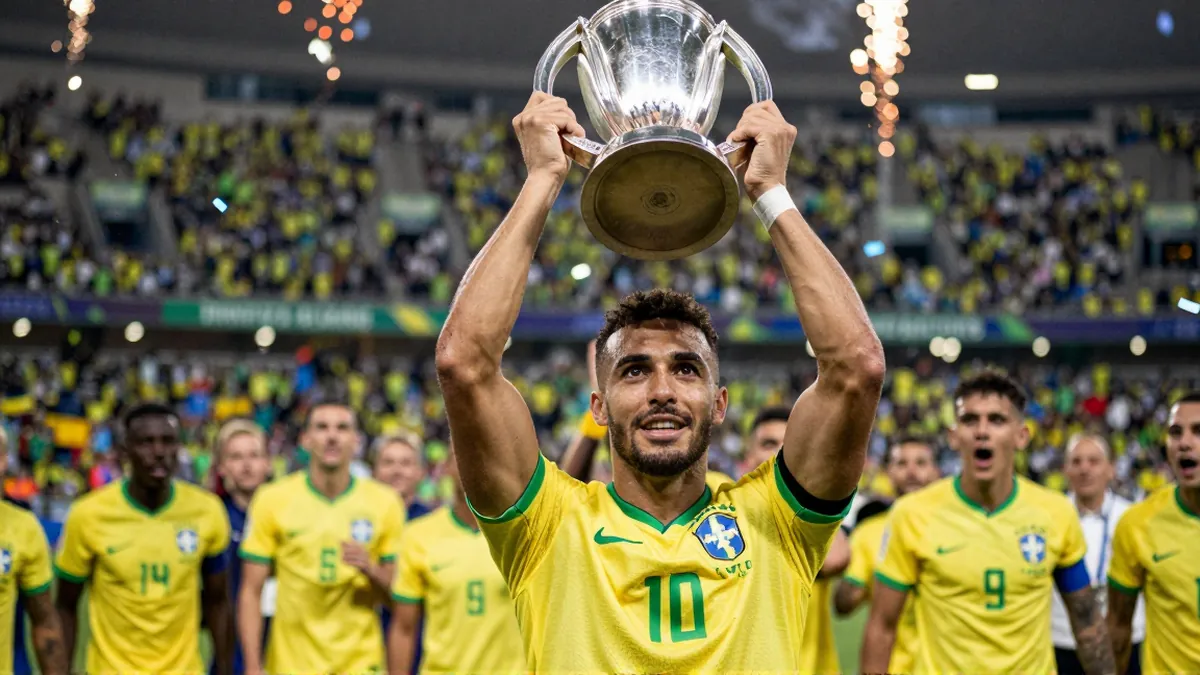
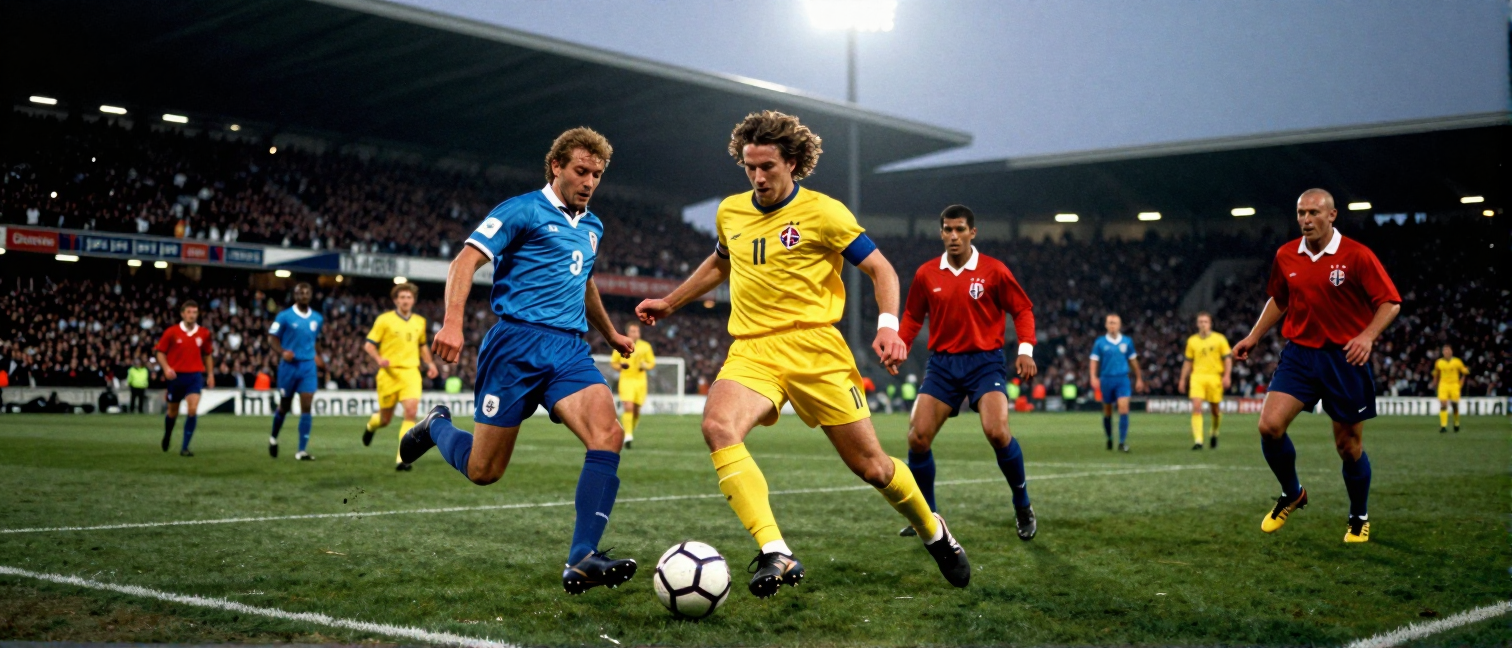
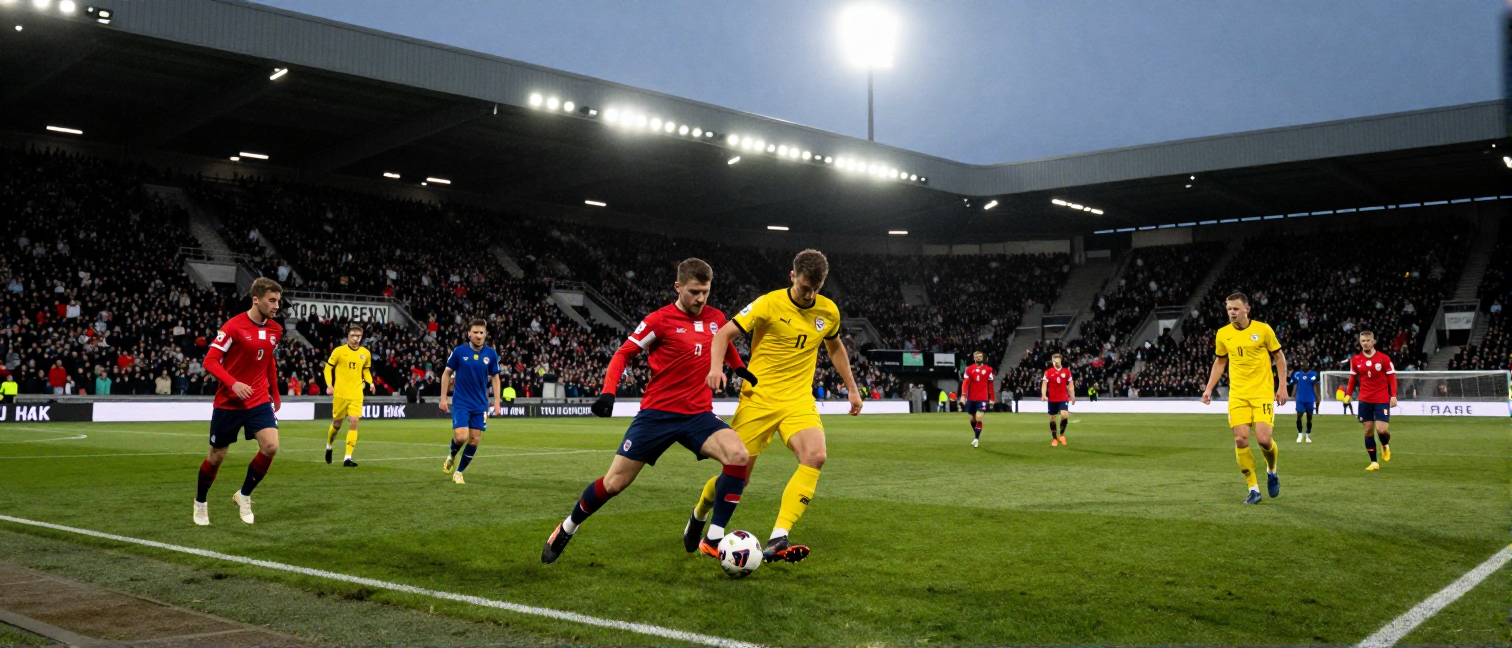
The Brazil national team was knocked out of the 2026 World Cup after a 2‑1 loss to Norway, ending the longest title drought since 1958. The setback in the group stage reignited debates about the Selecão's loss of hegemony and how to adapt its traditional style to modern football.
Why did the elimination happen?
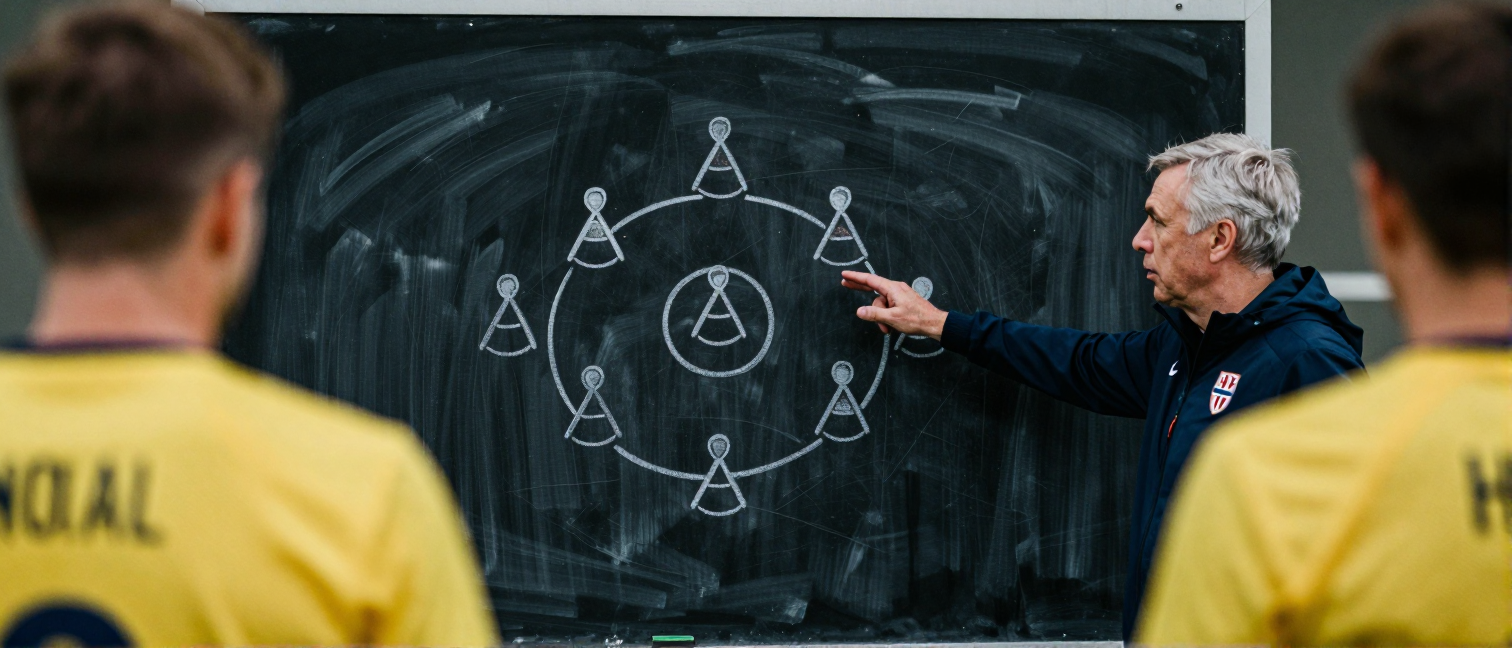
Experts point to a loss of improvisation, once the hallmark of Brazilian football, leaving the side exposed. Celso Unzelte, ESPN researcher, says “globalized football has reduced room for chance; the game is now more tactical and physical”. Norway exploited this discipline, pressuring Brazil's defense and exploiting marking errors that were once rare.
What does the historic drought reveal?
Since the 1994 triumph, the Selecão has not lifted the trophy. The last title was won under Cafu in 2002, and by 2030 the gap will reach 28 years. This span reflects a shifting world stage: four of the last five champions are European powerhouses with near‑unlimited budgets. Journalist Anderson Gurgel notes “there’s a romantic aura that needs reassessment”.
How can the Selecão reinvent itself?
Analysts suggest investing in physical preparation and more flexible tactical setups while preserving individual creativity. Current coach Renato Gaúcho is trying to blend young talents like Endrick with veterans such as Neymar, yet consistency remains elusive. A recent 2‑0 win over Argentina showed potential, but the loss to Norway exposed unresolved weaknesses.
Where does the Selecão stand now?
The latest official result for Brazil was a 1‑1 draw against Tunisia on 18 November 2025. Recent form over the last four matches reads two wins, one draw and one loss, with the most recent fixture being the defeat to Norway (DWLW, most recent first). Those figures underline the urgent need for adjustments before the next qualifiers.
Hope still burns among fans who trust in Brazil's capacity for renewal. As the Amarelinha searches for answers, the debate over tradition versus modernity will stay at the heart of the conversation.