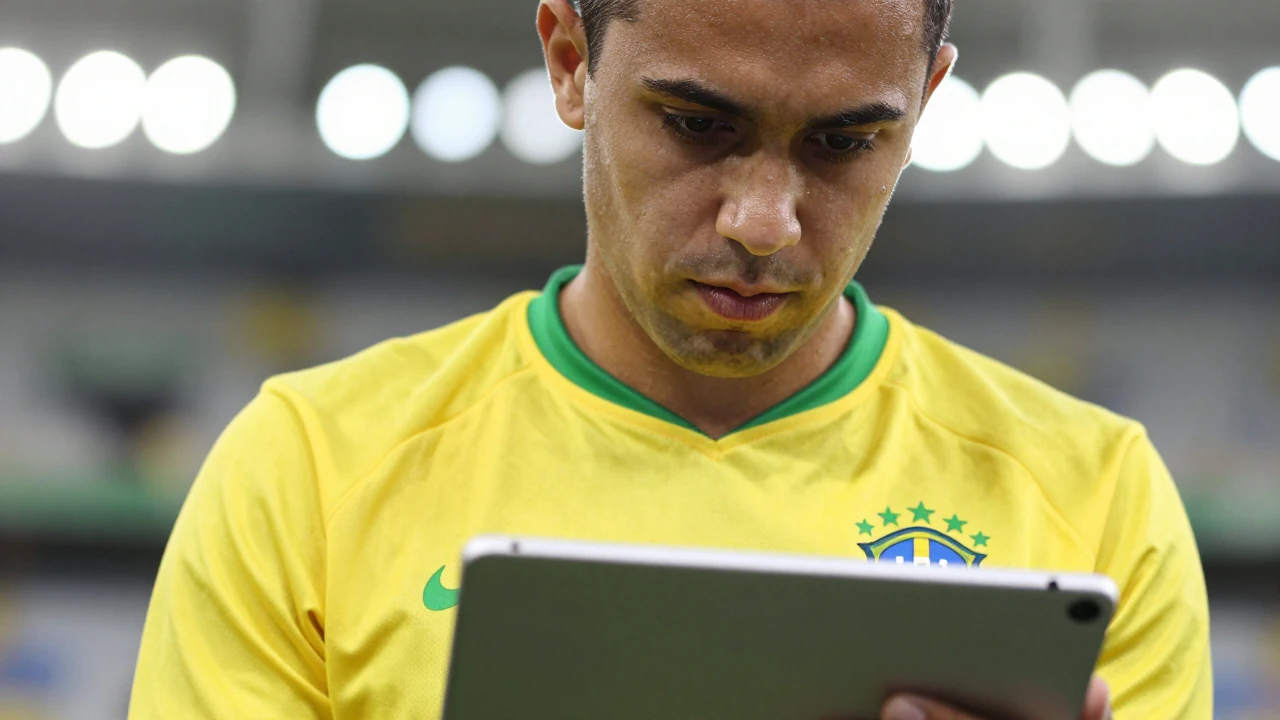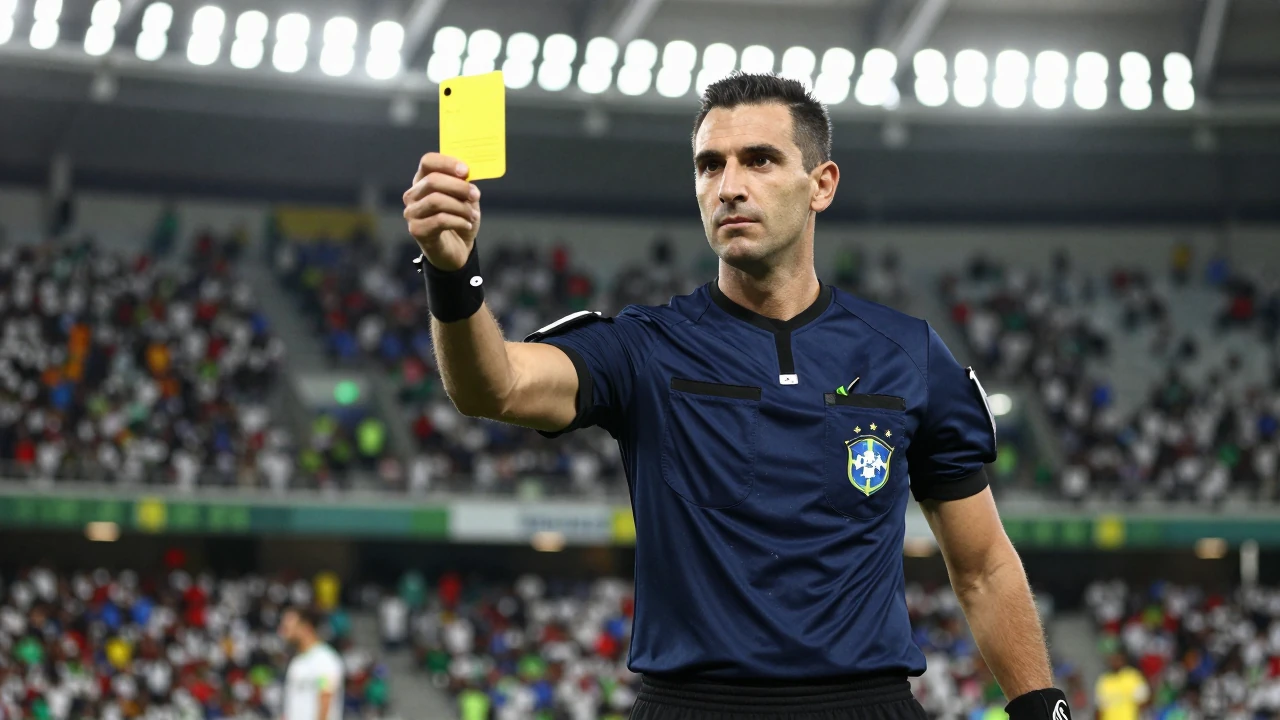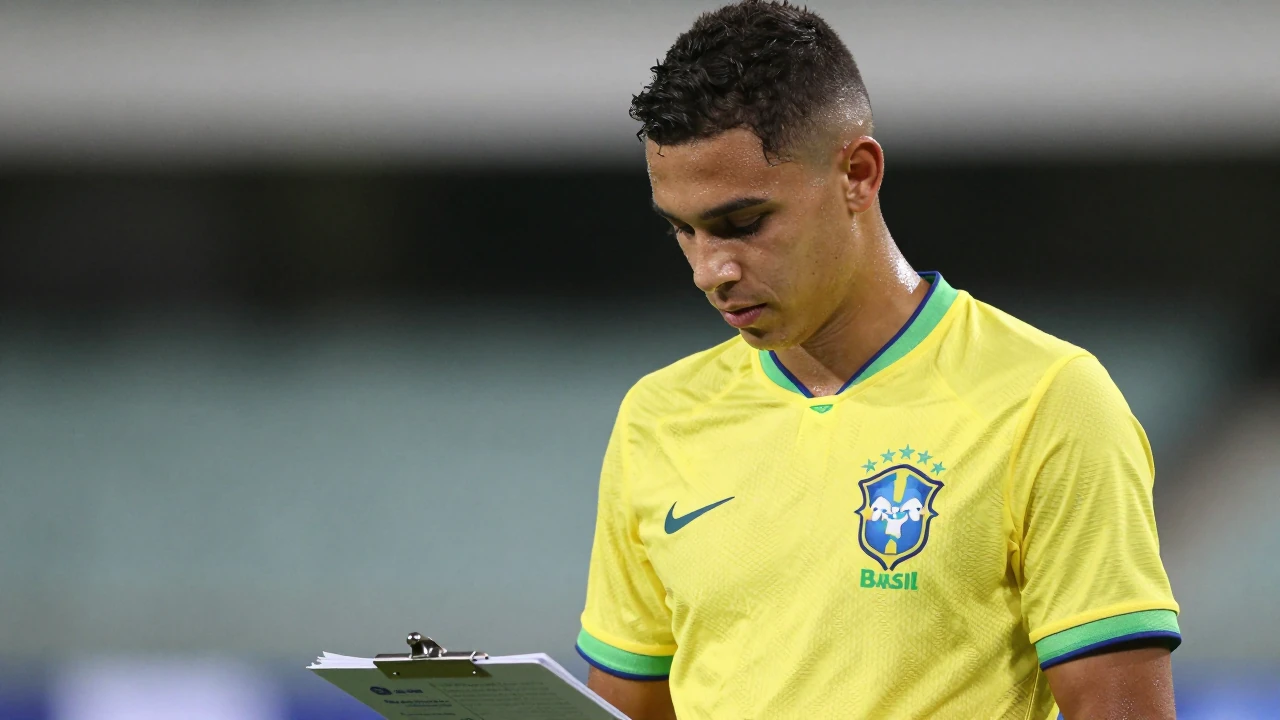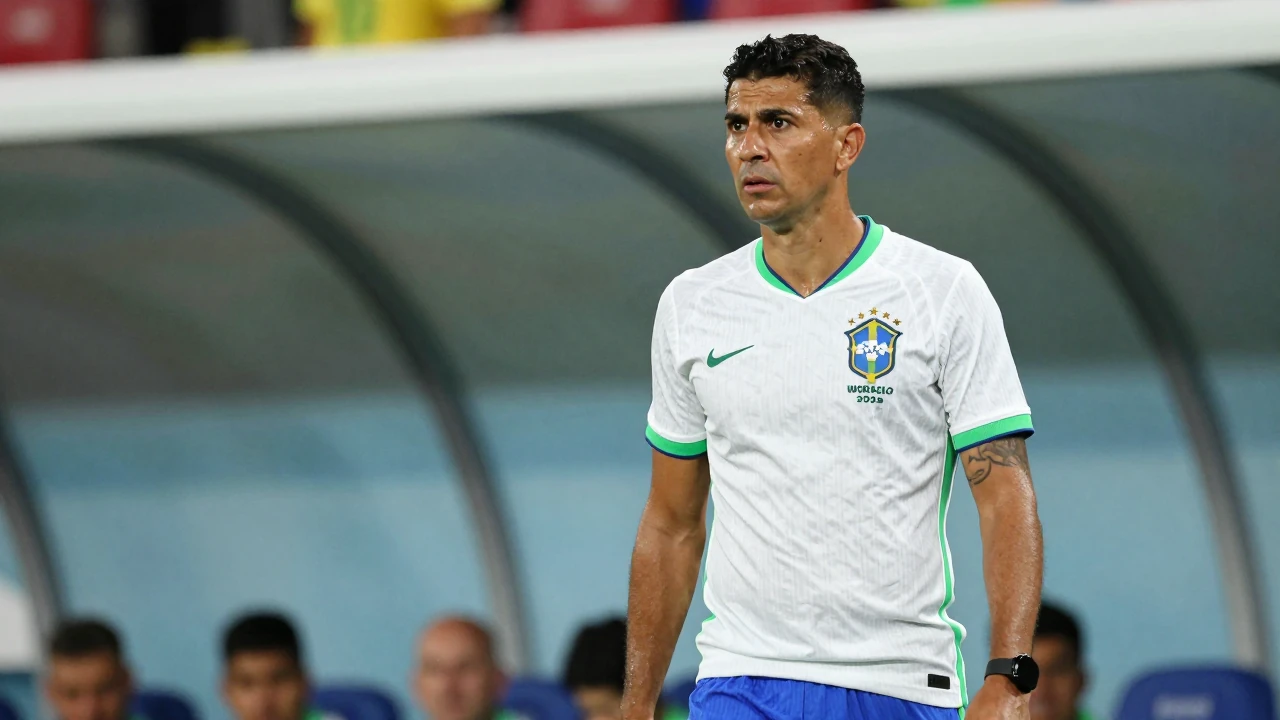
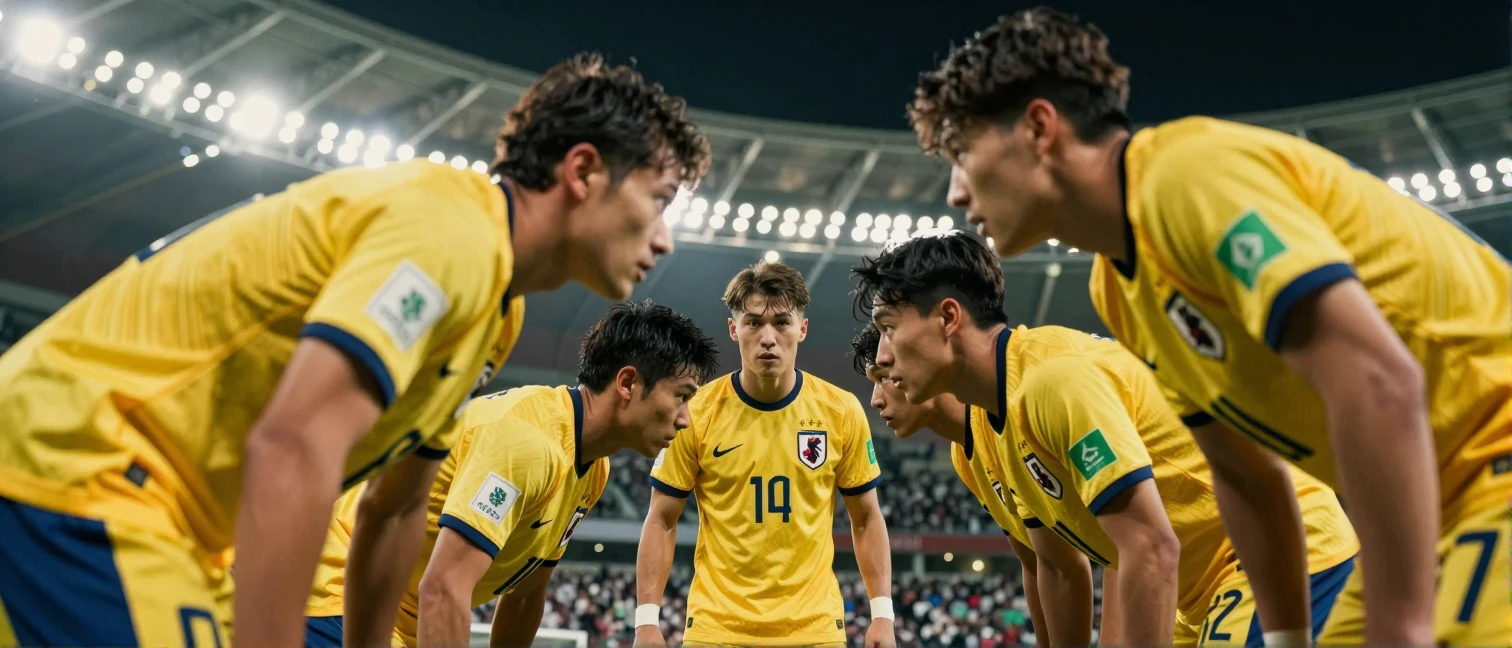
Brazil steps onto the field against Japan on Monday (June 29) at 2 p.m., bringing a decades‑long legacy that shaped Japanese football.
The World Cup 2026 round‑of‑16 match pits Brazil against an opponent that owes much to Brazilian style. The clash, set for Miami Stadium, traces back to the 1970 World Cup broadcast that sparked Japanese passion for Brazil's attacking play.
How did Brazil shape Japanese football?
After the 1970 World Cup, clubs like Yomiuri FC (now Tokyo Verdy) began signing Brazil‑linked players such as Ruy Ramos, introducing quick passing and creativity. In the 1990s, the launch of the J‑League accelerated professionalism, and names like Dunga, César Sampaio, Zinho and Jorginho raised the technical bar. Two icons, Zico and Toninho Cerezo, shone at Kashima Antlers, helping popularize the sport and develop local tactics.
What is Brazil’s current form?
Brazil recently drew 1‑1 with Tunisia on November 18, 2025. Its recent four‑match record reads 2 wins, 1 draw, 1 loss (W‑D‑L‑W, most recent first). These figures show a side seeking consistency before the decisive showdown.
| Statistic | Value |
|---|---|
| Last result | Brazil 1‑1 Tunisia (2025‑11‑18) |
| Recent form (last 4) | 2W‑1D‑1L |
Why does the clash matter for Brazil?
Facing Japan is more than an elimination game; it tests how Brazil incorporates the creativity that inspired generations of Japanese players. The Brazilian style-emphasizing ball possession and fluid attack-will meet a Japanese team that has learned to blend disciplined tactics with refined technique.
What to expect from the duel?
If Brazil maintains the aggression that defined its path so far, it can dictate tempo and create gaps in Japan’s defense. Conversely, Japan, accustomed to playing Brazil, may employ high‑press marking and swift transitions. The outcome will hinge on the two coaches’ adaptability and the players’ execution on the pitch.
The match promises to be a milestone, reminding us that football is a continuous dialogue between nations. While Brazil aims to advance to the quarter‑finals, Japan seeks to repay the respect earned through decades of cultural and sporting exchange.