 Brazil Hub
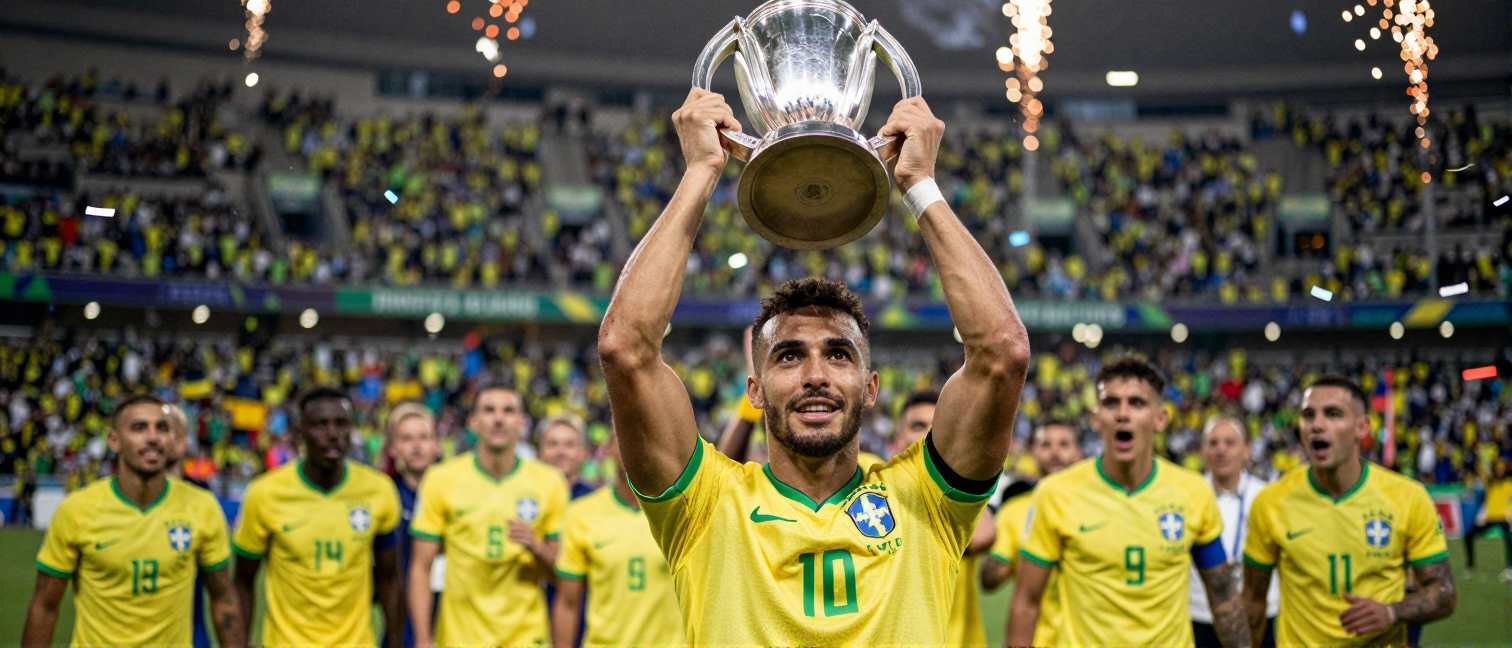
Brazil lost protagonism at the 2026 World Cup, and Vinícius Júnior shunned the decisive moments.
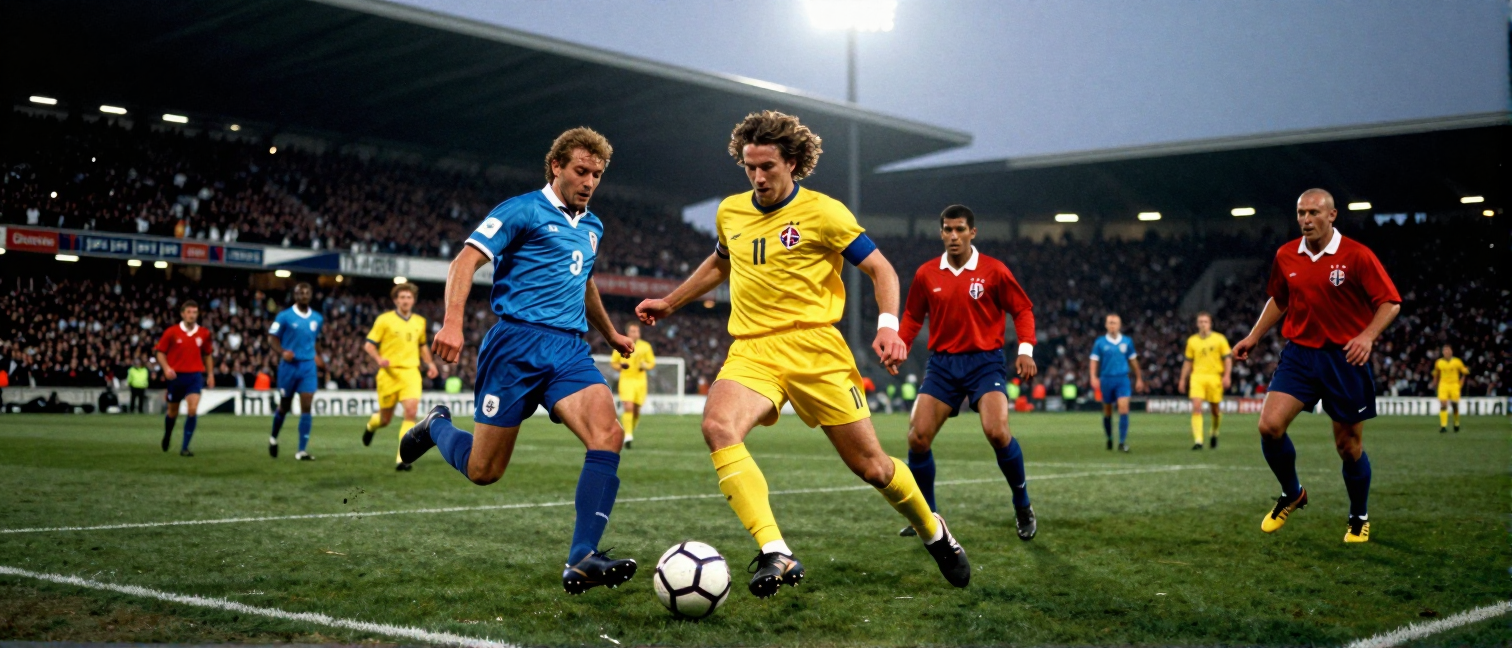
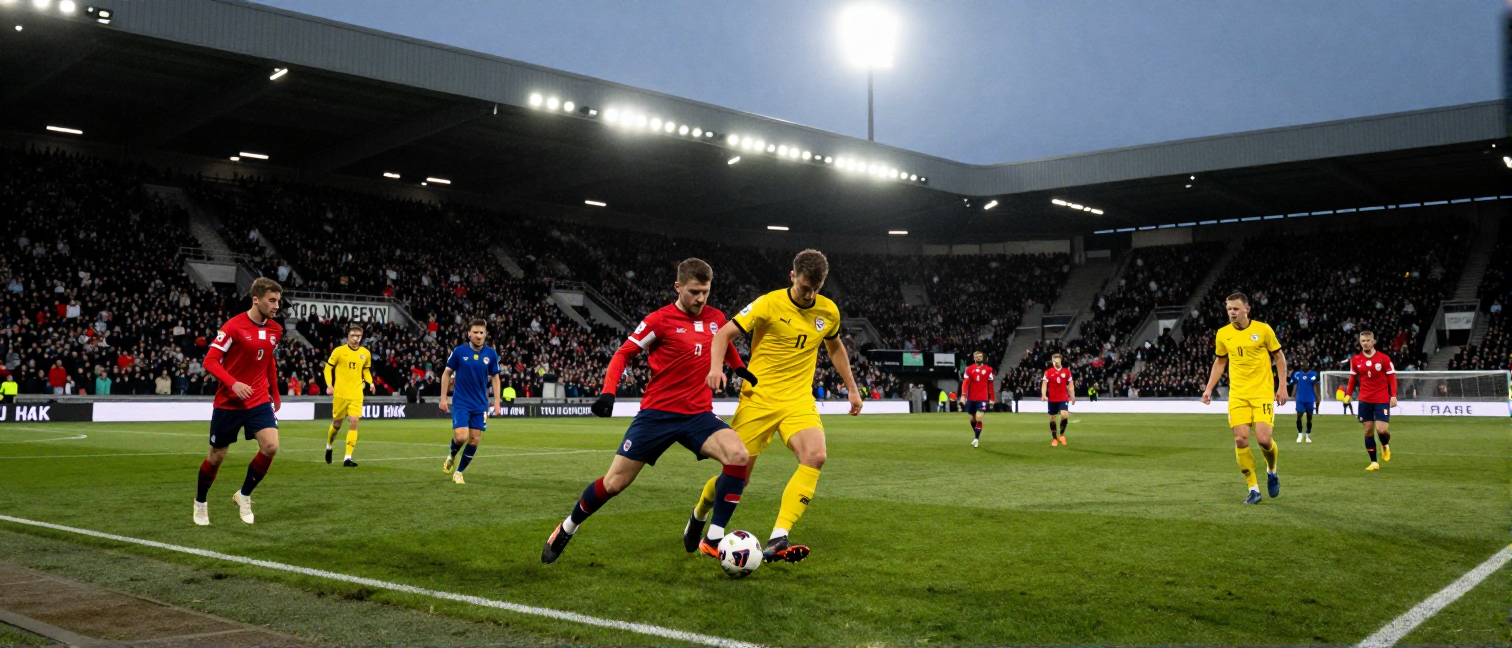
The campaign began with a win over Norway, but the forward, season top‑scorer with four goals in five appearances, vanished in the knockout stage. Meanwhile, Brazil's latest match was a goalless draw against Tunisia on 18 November 2025, underscoring a sense of stagnation.
Why did Brazil become a supporting act?
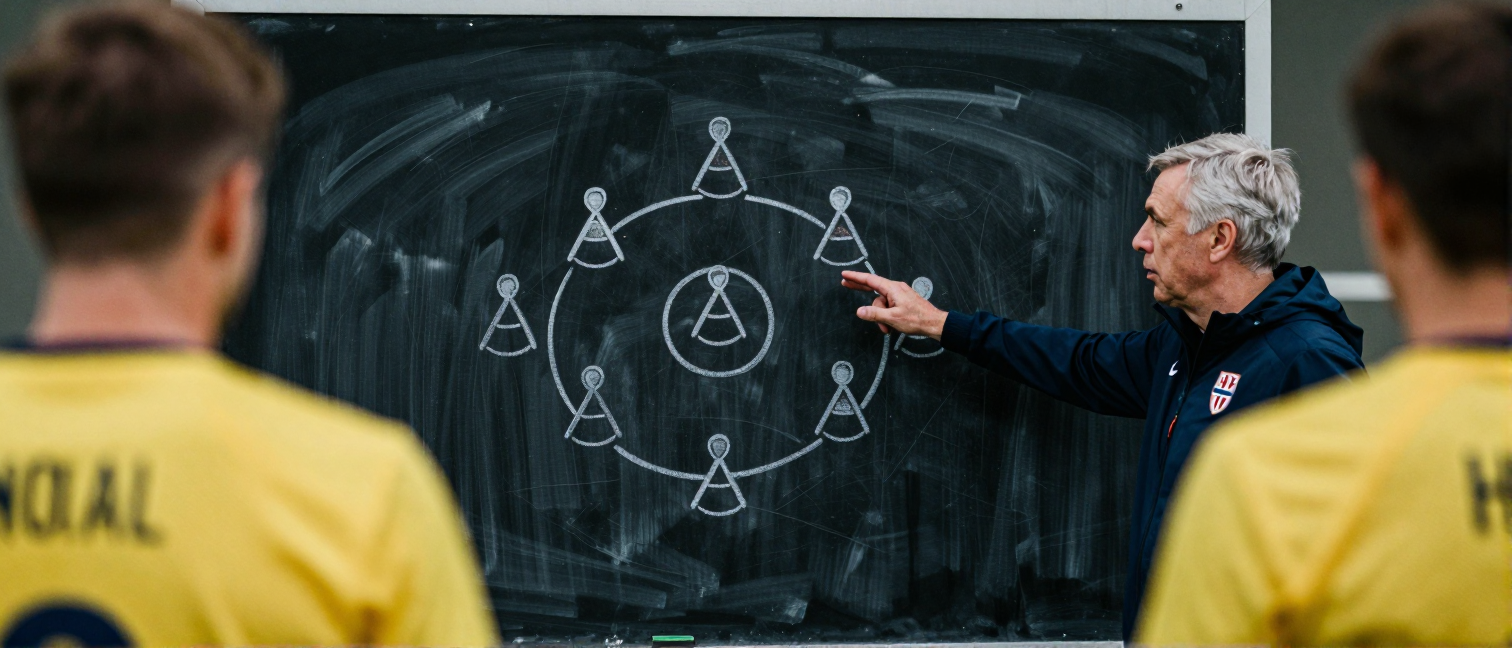
Neymar's lack of minutes – under 45 in the tournament – left a leadership void. Vini Jr., who shone in the group phase, was taken off before crucial penalty kicks, handing the duty to Bruno Guimarães, who missed. Coach Carlo Ancelotti appears to have favored caution over risk, but the choice damaged the credibility of the team's supposed "face."
How does recent form affect expectations?
In the last four games, Brazil posted two wins, one draw and one loss (DWLW, most recent first). This uneven pattern makes a smooth path to a sixth title doubtful. The loss to Croatia in the previous group stage still resonates, recalling the 2022 fiasco when Neymar was held back from taking a penalty.
What does Brazil need to regain leadership?
Analysts cite an identity crisis: no creative midfield, shaky full‑backs and an over‑reliance on dribbling wingers. Nineteen‑year‑old Endrick flashed talent against Norway but still lacks sufficient minutes to shift the campaign. The defence seems more focused on mimicking European styles than preserving Brazil's pentacampeão tradition.
What comes next?
With the group stage over, Brazil faces Argentina in the round of 16. If Vini Jr. does not take penalty duties or create clear chances, pressure will fall on the coach and the squad. The next test will be proving Brazil can still be a protagonist before the "supporting act" label becomes permanent.