Brazil's World Cup Elimination: Why the Loss Causes So Much Frustration?
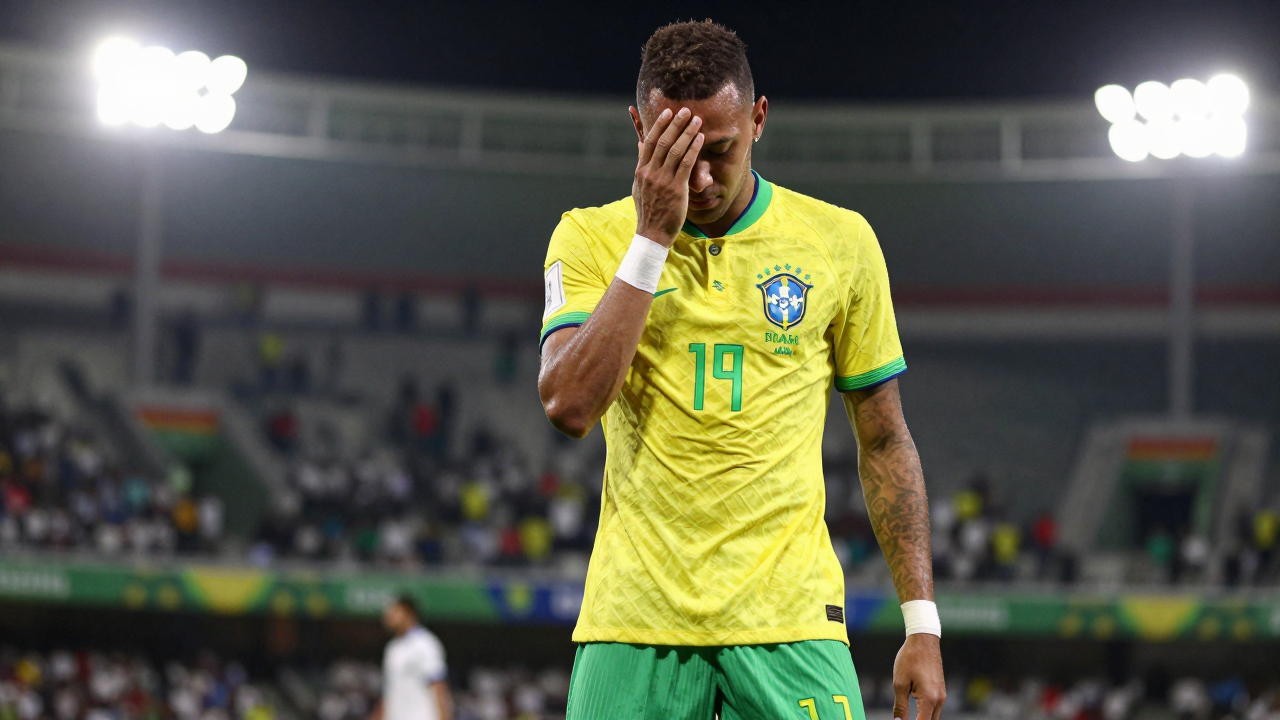
Brazil's World Cup elimination has left fans frustrated. Psychologist Dra. Andrea Beltran explains why the loss causes anxiety and frustration.
According to Dra. Andrea Beltran, a specialist in emotional behavior and analytical psychology, this involvement has an explanation. In major sports competitions, the national team stops representing only one team and takes on a symbolic place linked to collective identity, belonging, and hope.
'The national team represents much more than a group of players. It awakens archetypes linked to the hero, victory, and the sense of belonging. There is a shared emotional identification that makes many people experience the result as something personal.'
This bond is not just a subjective perception. A MindMiners research, titled The Greatest X-ray of the Fan, shows that 75% of Brazilians follow football frequently, reinforcing the cultural importance of the sport and its potential to mobilize collective emotions.
For Andrea, the psychological impact tends to increase as the competition advances.
'Each phase won amplifies the expectation and the projection of desires on the team. When the title seems possible, anxiety also grows. The elimination breaks a built-up expectation over weeks and causes a frustration proportional to the emotional investment.'
In analytical psychology, this process is understood by the projection mechanism. According to the specialist, unconscious desires of conquest, recognition, and overcoming end up being deposited in the Brazilian national team.
'When the result does not happen, many people experience feelings that go beyond the sport. The loss can reactivate emotions related to loss, rejection, or impotence, even if they are not aware of it.'
Another factor that potentiates this experience is the digital environment. During the World Cup, comments, analyses, memes, and discussions multiply in real-time, making it almost impossible to emotionally detach from the event.
'The social networks intensify the collective experience. Constant exposure to opinions, criticisms, and comparisons makes it difficult to emotionally distance oneself and reinforces the feeling that everyone is experiencing the same frustration.'
Despite considering it natural that an elimination generates sadness and disappointment, Andrea warns about the signs when the involvement becomes unhealthy.
'Sports should provide pleasure, entertainment, and connection. When humor, relationships with others, or even productivity depend on the result of a game, it is a sign that the sports experience is occupying a larger space than it should.'
The specialist also highlights that people with greater emotional sensitivity or who already live with anxiety disorders tend to feel these oscillations in a more intense way.
'The World Cup awakens legitimate emotions and is part of Brazilian culture. But recognizing this complexity is essential to understanding the magnitude of the emotional impact of the loss.'
What happened?
Brazil's elimination for Norway in the World Cup's round of 16 ended the dream of the hexacampeonato and caused a wave of reactions on social media, in public broadcasting locations, and among fans across the country.
Why does this matter for Brazil?
The loss in major competitions awakens anxiety and frustration among fans, as the national team stops representing only one team and takes on a symbolic place linked to collective identity, belonging, and hope.
What comes next?
The World Cup is a competition that awakens legitimate emotions and is part of Brazilian culture. But recognizing the complexity of the emotional impact of the loss is essential to understanding the magnitude of what happened.
External links
- The MindMiners research, titled The Greatest X-ray of the Fan, can be accessed here.
- Psychologist Dra. Andrea Beltran can be contacted here.
Internal links
- Brazil's elimination for Norway in the World Cup's round of 16 can be read here.
- The World Cup is a competition that awakens legitimate emotions and is part of Brazilian culture. But recognizing the complexity of the emotional impact of the loss is essential to understanding the magnitude of what happened.