
The Current State of the Seleção Canarinho
In July 1979, during a crucial match at La Paz, the Brazilian National Football Team began to be analyzed in a new light. While fans still held onto memories of past glories, criticism arose in response to a performance many considered merely average. Local media did not hesitate to label the team as "just an ordinary team," an opinion that resonated after a defeat in Asunción last Wednesday.
This article delves into the critical analysis of the Brazilian National Team's performance, reflecting on the evolution of Brazilian football and the expectations surrounding the future, especially with the approaching FIFA World Cup 2026.
The Team's Performance in 1979
The Seleção Canarinho faced challenging opponents in a year marked by mixed results. In a series of friendlies and qualifying matches, the team failed to showcase the brilliance that had made it a global powerhouse. The coach at that time, Cláudio Coutinho, tried to implement new tactics, but failures in execution and a lack of cohesion among players were evident.
Fans and critics began to question the identity of the Seleção. What was once synonymous with talent and creativity now seemed a shadow of its former self, as the team struggled to stand out in an increasingly competitive international landscape. The contrast with the 1970 team, champions in Mexico, could not have been more pronounced.
Tactical Analysis: What's Missing?
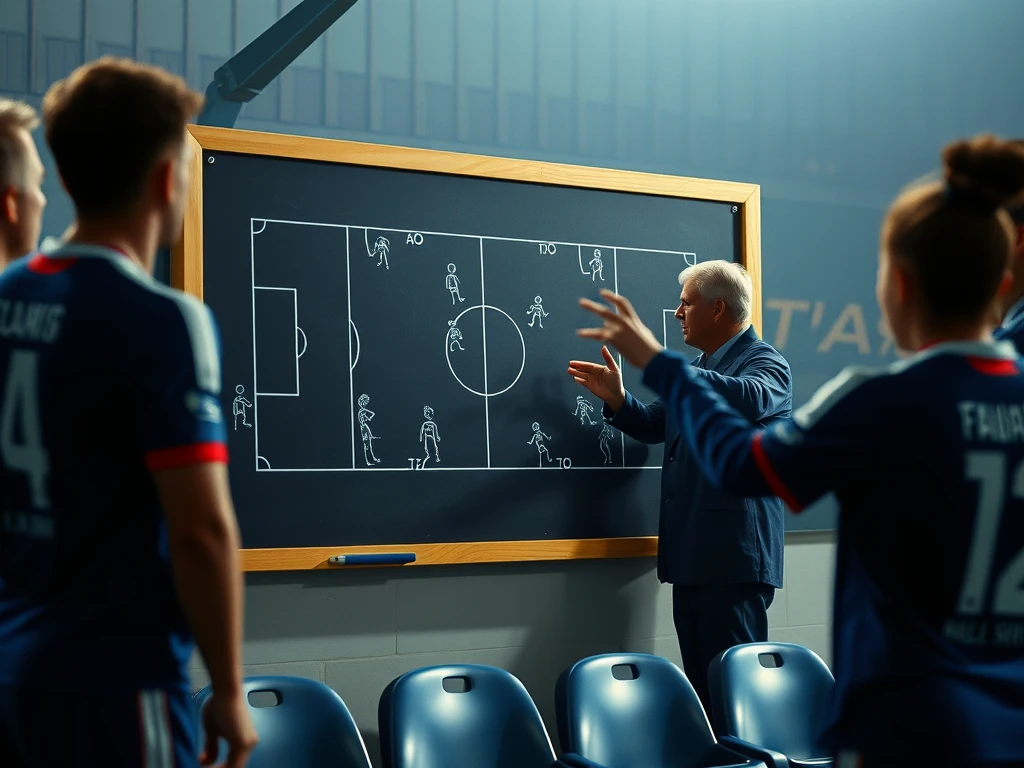
The tactical system employed by Coutinho was far from a success. The lack of a convincing game plan and the inability to adapt tactics to the available players resulted in confusion on the field. The 4-3-3 formation, which appeared promising on paper, frequently crumbled during matches.
The team's weaknesses included: - Vulnerable defense: Defensive lapses resulted in avoidable goals conceded. - Uncreative midfield: Inability to connect defense to attack resulted in stagnant and predictable plays. - Ineffective attack: Attackers, including names like Roberto Dinamite and Zico, failed to convert possession into clear goal opportunities.
These factors not only affected team morale but also raised questions about the future of players and Coutinho's role as coach.
The Impact on Future Competitions
The analysis of the Brazilian National Team in 1979 is not merely about dissatisfaction with results. The mediocre performance has direct implications for the 1982 World Cup, where expectations were high, but warning signs were already flashing. The challenge of restoring reputation and identity to Brazilian football became increasingly urgent.
Critics began to notice that the traditional Brazilian playing style was being overshadowed by more structured approaches from other teams. The need for a revolution in Brazilian football, prioritizing training and innovation, became a widely discussed topic.
Fan Reaction and Media Coverage
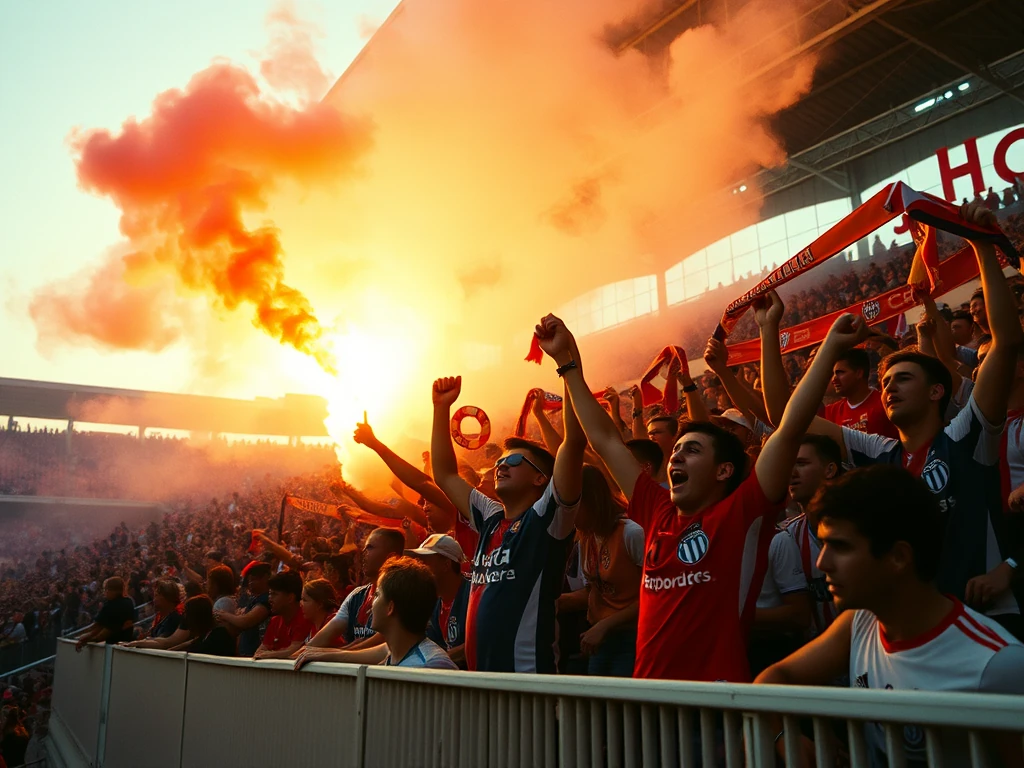
Fans, always passionate, reacted with mixed feelings to the criticism. While some defended the team and its potential, others expressed frustration and discontent. The media, in turn, did not spare efforts in highlighting the performance decline. The use of the term "ordinary team" sparked heated debates in sports columns and on social media.
Fan indignation manifested in protests in the stands, where shouts of support and disappointment echoed throughout matches. For many, the Seleção Canarinho was not just a team; it was a symbol of national identity that needed to regain its prestige.
What It Means for the Future of Brazilian Football
The analysis of the Brazilian National Team in 1979 highlights the importance of a deep reflection on the future of football in the country. With the FIFA World Cup 2026 approaching, the need to revitalize the team and rethink Brazilian football's approach becomes critical. Player development, coaching choices, and club structures must be reassessed to ensure Brazil not only participates but stands out once again on the international stage.
The response to this crisis could shape the future of Brazilian football and how the Seleção Canarinho is perceived in the coming decades.
What's Next?
With a new cycle approaching and the World Cup on the horizon, the Brazilian National Team must reinvent itself. The lessons learned in 1979 should serve as a warning to avoid repeating past mistakes. The quest for a style of play that combines Brazilian tradition with modern tactical trends becomes essential. The future of the Seleção Canarinho depends on a renewed commitment to excellence, innovation, and passion for the game.
Fans, ever loyal, eagerly await to see if the Seleção can reclaim the essence that made it one of the greatest in the world.