 Brazil Hub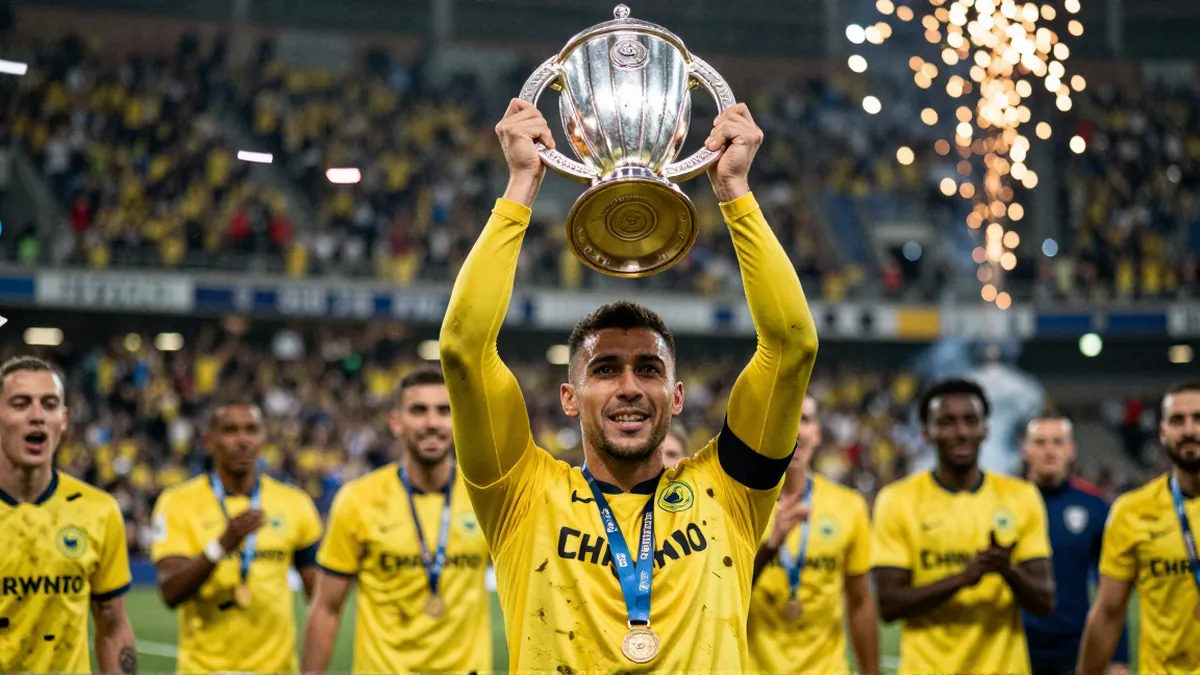
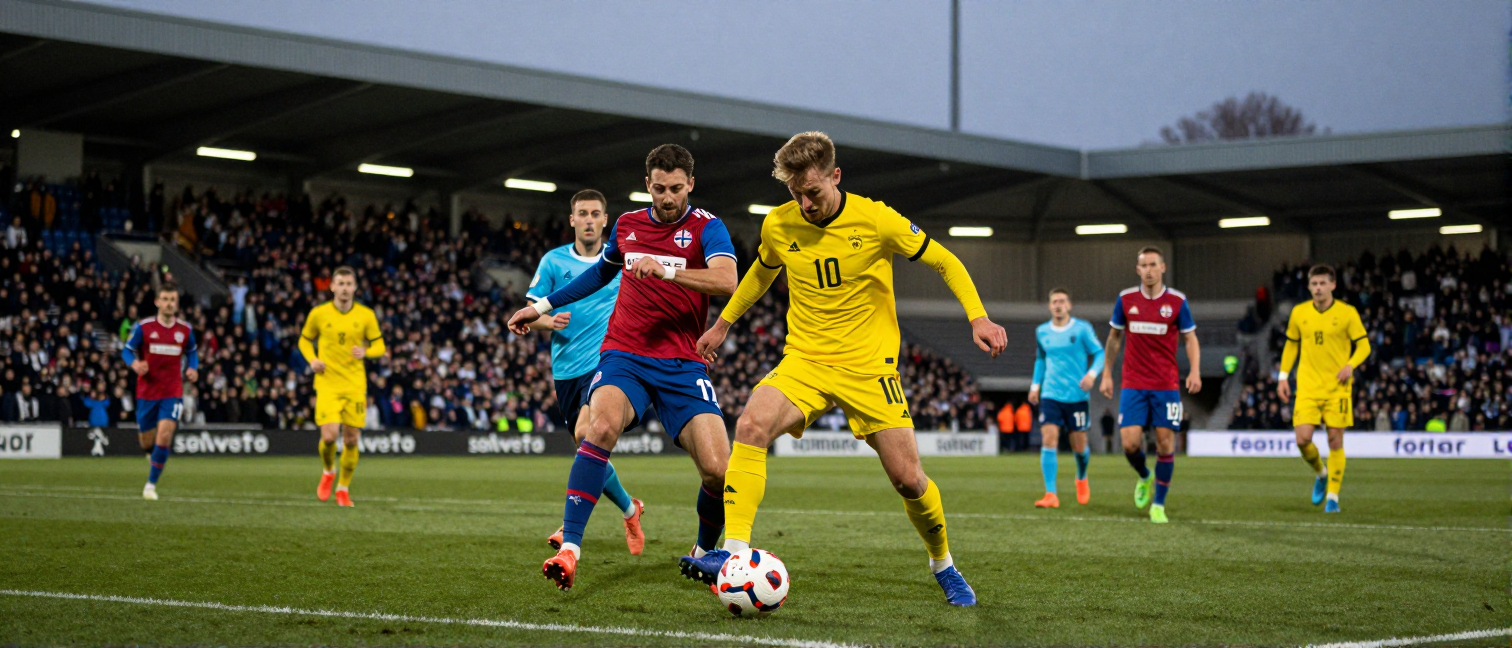
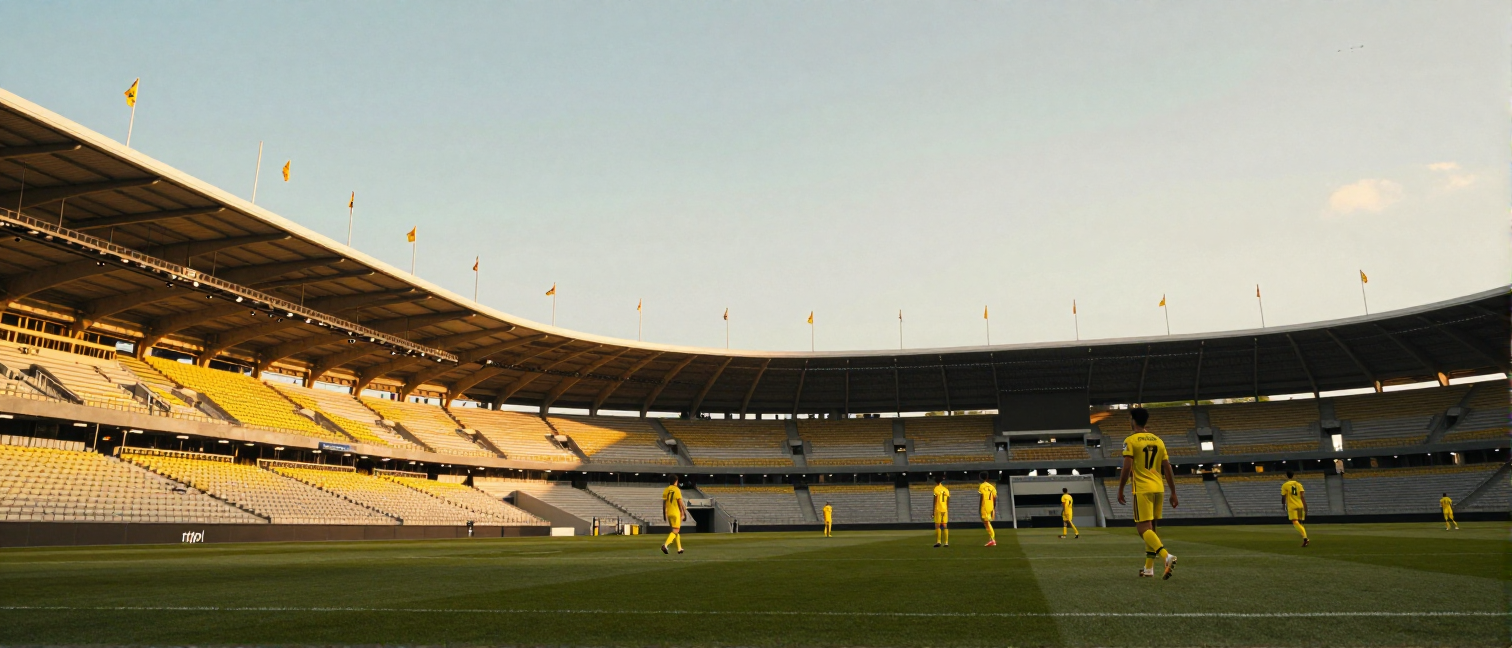
Brazil's national team was knocked out by Norway in the group stage of the 2026 World Cup, extending the title drought to 28 years. The setback, suffered on June 23, leaves Brazil without a new star on its shirt and reignites the debate over the loss of its hegemony.
Why couldn't Brazil advance?
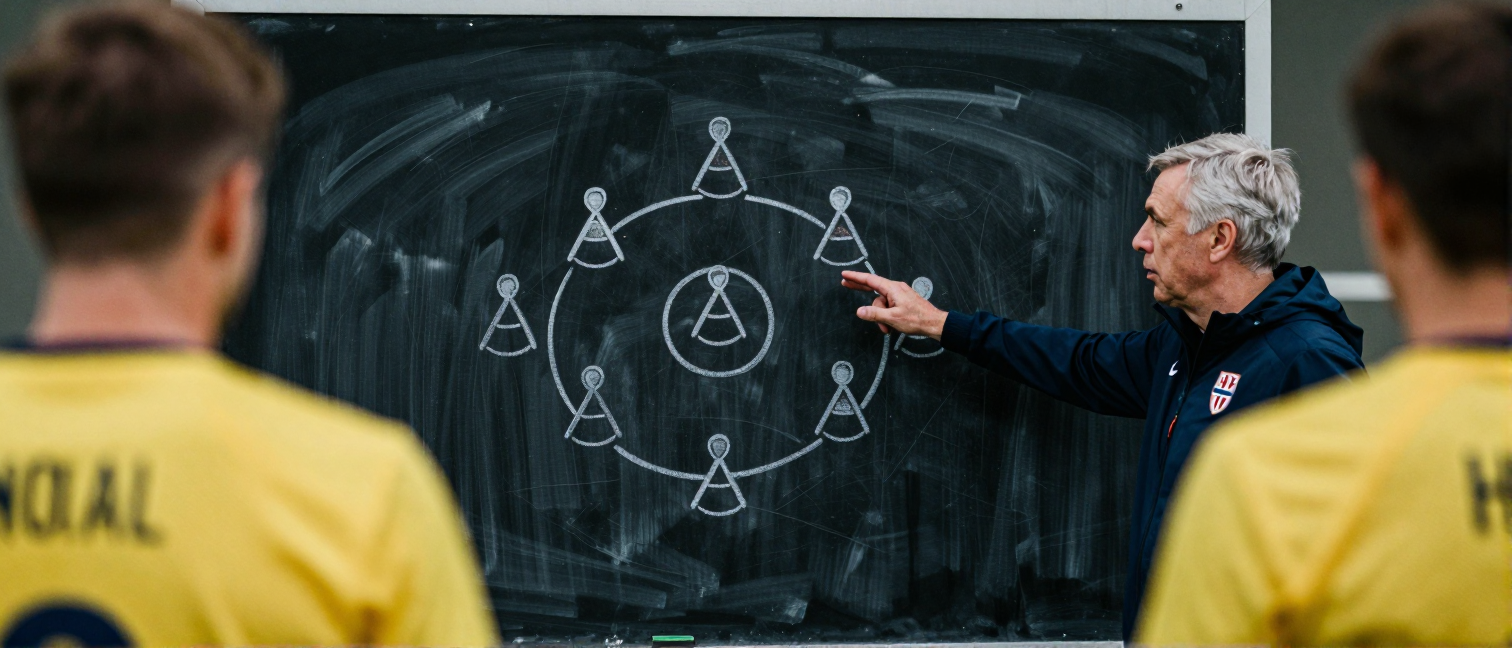
Experts point to a lack of improvisation as a key factor. Celso Unzelte, ESPN researcher, says the globalized game favors rigid tactics and physical preparation, shrinking the space for the creativity that once defined Brazil's style. Anderson Gurgel, sports journalism professor, adds that the romantic view of Brazil as a sole powerhouse needs reassessment. Coach Tite has yet to find a system that blends discipline with offensive freedom.
How does recent form shape perception?
The team's last official match was a 1‑1 draw with Tunisia on November 18, 2025. In the last four fixtures, Brazil posted 2 wins, 1 loss and 1 draw (DWLW, most recent first). These results highlight inconsistency that worries fans and analysts, especially when compared to Europe's dominance in recent World Cups.
What does this mean for the next generation?
With the next World Cup set for 2030, Brazil will have endured 28 years without another star. Pressure falls on the youth: projects like the CBF Training Center aim to recover the raw talent that produced Pelé and Garrincha. Yet, adapting players to the European pace and tactical demands is becoming increasingly essential.
What lessons does the "amarelinha" future hold?
The elimination shows that improvisation, once an advantage, can now be a liability against well‑structured teams. Investing in physical preparation, data analysis and tactical versatility appears to be the way forward. Meanwhile, national passion endures, but the demand for concrete results grows with each defeat.