 Brazil Hub
Brazil faces defeat and seeks a new identity
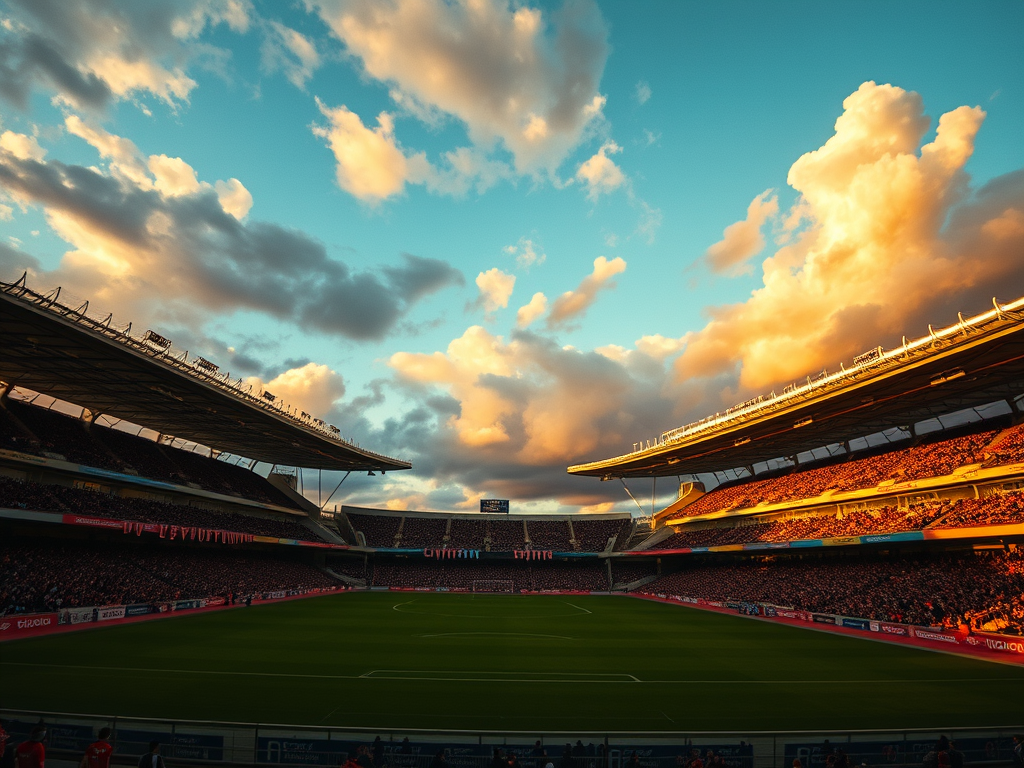
The Brazilian national team was knocked out of the World Cup after losing to Norway 1‑2 on July 5, 2026, ending the campaign with a score that still reverberates in expert debates. The result, noted as Last result: Brazil 1-2 Norway (2026-07-05), raised questions about the style the nation wants to display in 2026.
What caused the early exit?
Lance! columnists argue that tactical uncertainty and the lack of a clear game plan were decisive. Gustavo Fogaça points out that the traditional "malandragem"-a symbol of creativity-was insufficient against a well‑organized Norway. Eduardo Tironi adds that Brazil's social transformation over the past three decades directly influences the team's on‑field behavior.
How does recent form affect confidence?
The team comes off a strong run, with Recent form (last 5): 4W-0D-1L (LWWWW, most recent first), showing that the loss was an outlier. Four consecutive wins demonstrate the squad's ability to bounce back, yet it still needs to translate that momentum into consistency during decisive tournaments.
What is the next challenge and what to expect?
The upcoming fixture is vs Australia (away, 2026-09-25), a match that will test the new identity proposed by the coaches. If Brazil can blend the tradition of "beautiful football" with modern tactical discipline, it may regain lost confidence and get back on track toward the world title.
What do experts advise for 2026?
Fogaça suggests the CBF invest in social projects that mirror the country's reality, allowing the national team to be an authentic reflection of Brazilian society. Tironi believes the squad should move away from reliance on individual brilliance and adopt a collective style, inspired by Spain and Argentina but tailored to local culture.
How does history shape the future?
The memory of past triumphs, like the five‑time championship, still weighs on expectations. Yet the new generation of players has the chance to redefine the legacy, building a Brazil that combines talent, discipline, and social representation. The road to 2026 demands more than technical skill; it requires a vision that unites football and national identity.