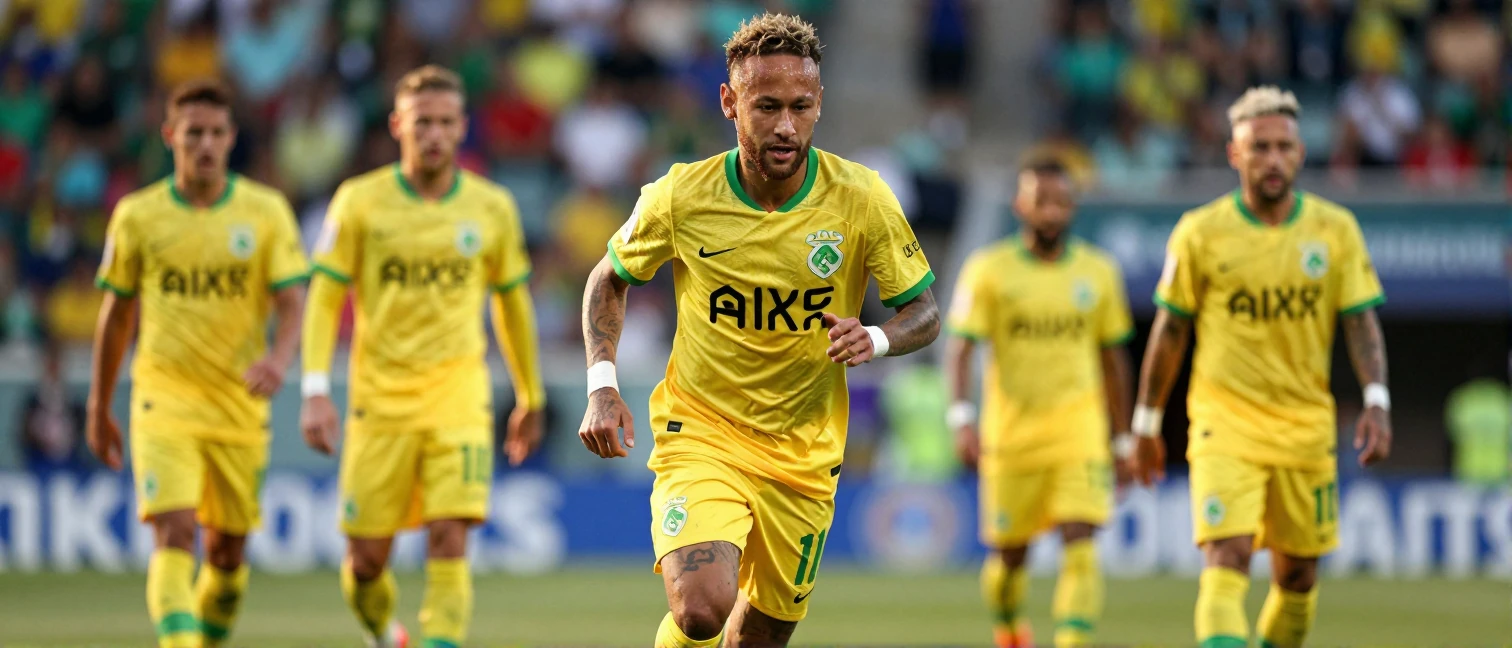
Brazil's national team, now led by Carlo Ancelotti, kicks off its new cycle with two friendlies in Australia: Townsville on September 25 and Brisbane on September 29. The matches mark the first step after the round‑of‑16 exit at the 2026 World Cup.
Why was Australia selected?
The Australian Football Federation offered two slots within the FIFA window running from September 21 to October 6. The extended calendar lets Brazil test line‑ups and assess young talent before starting the qualifiers for the 2030 World Cup. Official confirmation from the CBF is still pending, but expectations are high.
What can change for Brazil?
With a recent record of 2 wins, 1 draw and 1 loss - the latest result being a 1‑1 draw with Tunisia on November 18, 2025 - Ancelotti has room to experiment. Vinícius Júnior tops the scoring chart with four goals in five appearances, likely securing his number 7 shirt for upcoming fixtures.
How do the friendlies fit the schedule?
The FIFA window allows up to four matches; Brazil already has two confirmed and may add two more opponents. This flexibility helps build a balanced squad, mixing veterans like Neymar (who has not announced retirement) with prospects such as Endrick.
What does this mean for the 2030 World Cup?
The games against Australia will serve as a laboratory for Ancelotti’s tactics. If the team keeps its recent form - two consecutive wins, a draw and a loss - the coach could cement a more attacking style, exploiting Vinícius’s pace and Rodrygo’s creativity. Performance in the friendlies will be closely monitored by CBF officials, who are already mapping out the qualification campaign.
Brazil returns to the field only on the next FIFA date, yet fans are already focused on these Australian clashes. Every minute played could decide who makes the final list for the journey toward the 2030 World Cup.