 Brazil Hub
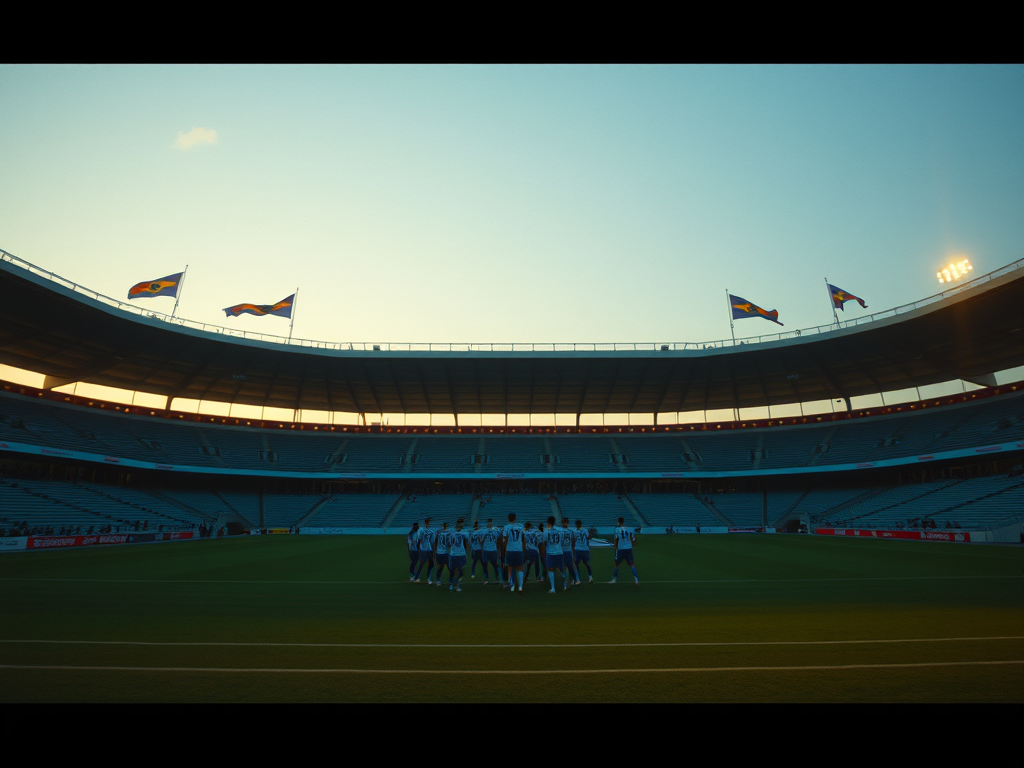
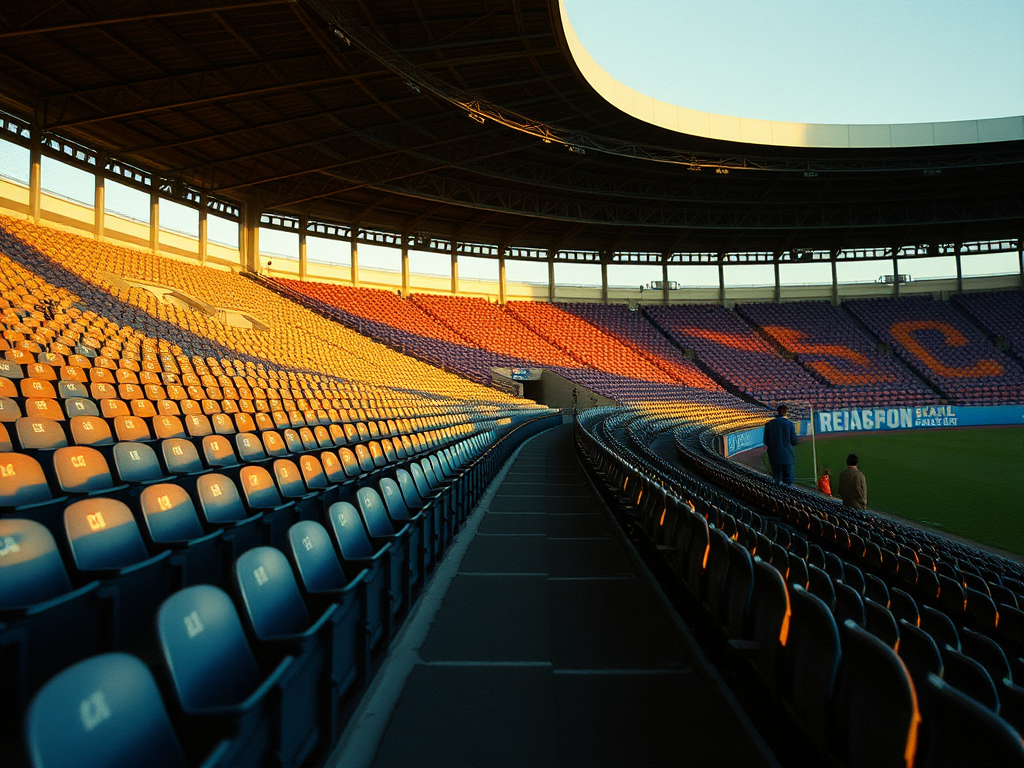
The 1950 World Cup is an unforgettable chapter in Brazilian football history, especially for those who had the chance to witness the magic of Maracanã. This tournament, which took place on Brazilian soil, was the first after World War II and brought immense expectations for the Seleção Canarinho, who were the favorites to clinch the title.
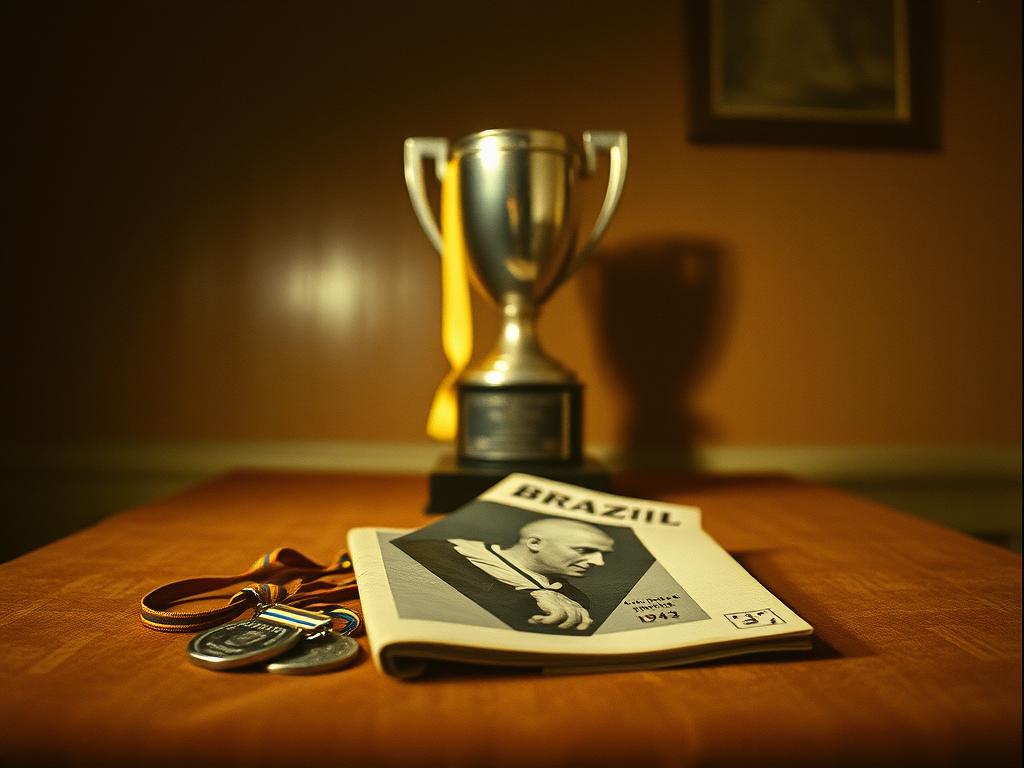
Brazil reached the final phase, where they faced Uruguay in a match that would become legendary. On that day, July 16, 1950, the Maracanã was packed, with over 200,000 fans eagerly waiting to see their team lift the trophy. However, what followed was a dramatic turnaround, as Uruguay defied expectations and defeated Brazil 2-1.
This shocking result generated a feeling of disillusionment throughout the country, transforming the joy of anticipation into sadness and disbelief. The game became known as the "Maracanazo," a term that resonates to this day, symbolizing one of the greatest disappointments in Brazilian football history. Despite the outcome, the beauty of the football showcased during the tournament and the atmosphere of Maracanã are still fondly remembered.
Maracanã is not just a stadium; it is a cultural icon in Brazil, and the 1950 World Cup helped cement its place in football history. The event not only highlighted the skill and talent of the Seleção Canarinho but also the passion and love of the fans for the game. Every time the national team steps onto the field, the energy and emotion of 1950 seem to reverberate through the stands, reminding everyone of what is at stake and the importance of football in Brazilian identity.
As the 2026 World Cup approaches, it is essential to remember moments like those from 1950. The lessons learned and the emotions experienced during that tournament continue to influence the Seleção Canarinho and its supporters. The legacy of Maracanã and the 1950 World Cup is a powerful reminder that football is more than just a game; it is a celebration of culture, unity, and the passion of a people.