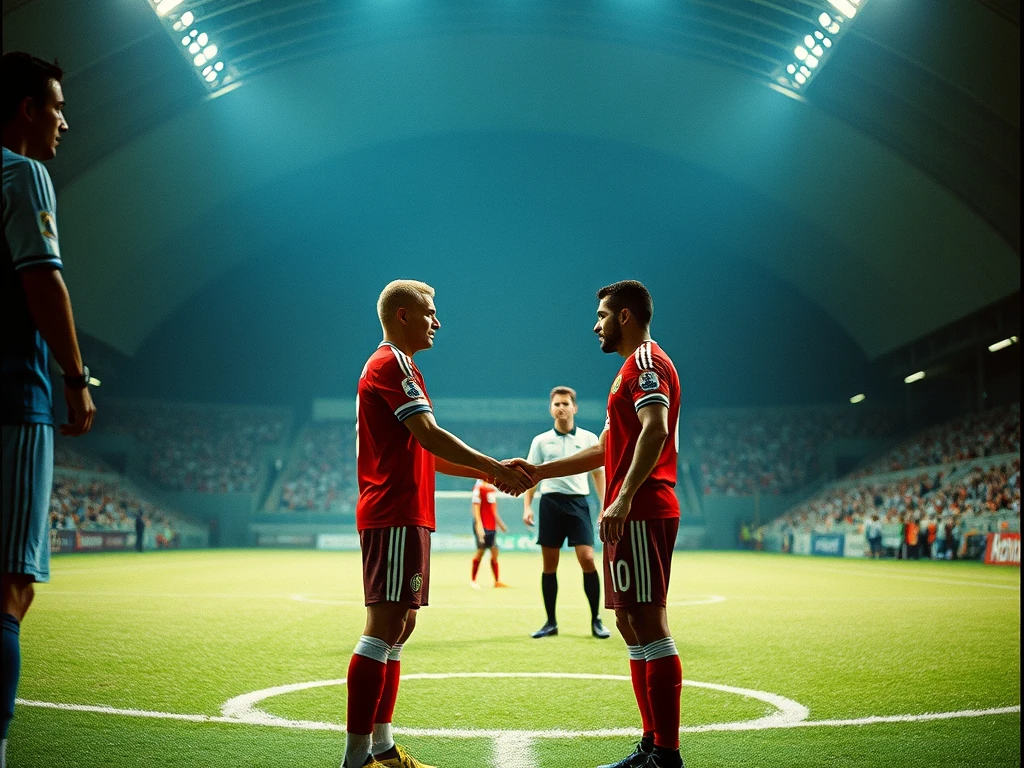

The 1998 World Cup, held in France, was a significant event not just for its unfolding but also for the lessons and transformations it brought to the Canarinho. Following the victory in the 1994 World Cup, Brazil entered the tournament with sky-high expectations, fueled by the talent and charismatic presence of players like Ronaldo, Rivaldo, and Cafu. However, the team faced challenges that revealed a vulnerable side of Brazilian football, especially in the final against France, where a surprising defeat left an indelible mark on the history of national football.
One of the most notable aspects of this World Cup was how the Canarinho dealt with pressure. Ronaldo, who had been the team's main icon, faced a personal and performance crisis, culminating in a disappointing display in the final. This episode sparked a wave of criticism and discussions about the mental health of athletes, a topic that at the time was not receiving adequate attention. These events changed the way Brazilian football began to approach the well-being of players, leading to a greater emphasis on psychological and emotional support for athletes.
Additionally, the 1998 World Cup also brought to light debates about the playing style of the Canarinho. Brazil, traditionally associated with joyful and offensive football, found itself needing to adapt to a more pragmatic and defensive style in some matches. This transformation provoked discussions about the true essence of Brazilian football and what it means to be part of the Canarinho. The result was a search for a balance between the art of dribbling and tactical efficiency, a question that still resonates in conversations about the team's future.
Finally, the experience in 1998 also had a lasting impact on player selection for subsequent competitions. After the defeat, there was a reevaluation of talent, and a new generation began to emerge, bringing with them different styles and philosophies of play. The importance of having a diverse and resilient squad became a priority, influencing tactical choices to this day.
In summary, the 1998 World Cup not only marked a moment of pain for the Canarinho but also served as a catalyst for significant changes in the way Brazilian football is played, trained, and lived. As the team prepares for the 2026 World Cup, the lessons from that tournament remain relevant, reminding us all that football is as much about victories as it is about growth and evolution.