 Brazil Hub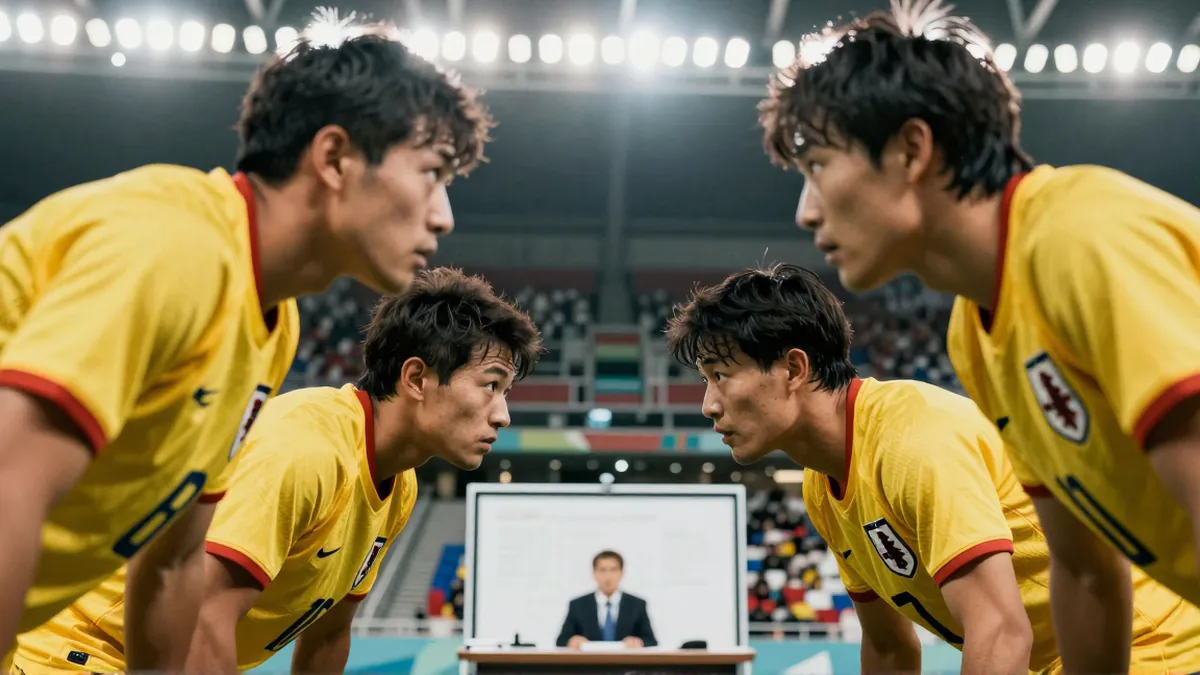
The Brazilian national team takes the field on Monday (29/06) to face Japan in the 2026 FIFA World Cup in a match steeped in history. Before becoming one of Asia's top football powers, Japan looked to Brazil as a reference on and off the field, influenced by Brazilian players, coaches, and executives. Recently, Brazil suffered a 1-2 loss to Norway (2026-07-05) but maintains strong form with 3 wins, 1 draw, and 1 loss in their last five matches (LWWWD).
How did Brazil influence Japanese football?
The relationship between Brazilian and Japanese football dates back to the 1960s, when Nelson Yoshimura, a Brazilian of Japanese descent, became the first Brazilian to play in Japan. His career was so successful that he naturalized and played for the Japanese national team. In the 1980s, the Yomiuri (now Tokyo Verdy) became known as the 'team of Brazilians,' featuring players like Jorge Yonashiro and Ruy Ramos, who introduced a passing and technical style of play.
Japan’s rise in football
The creation of the J.League in the 1990s expanded Brazilian influence. After Brazil's fourth World Cup title in 1994, Japanese clubs began signing Brazilian players who had played for the national team, such as Dunga, César Sampaio, Zinho, and Jorginho. 'Even today, most foreign players in Japan are Brazilian,' says journalist Tiago Bontempo, author of Samurais Azuis: a História do Futebol no Japão.
What to expect from the match?
For Zico, one of the Brazilians who most contributed to Japan's football development, the match demands attention. 'It’s a game where both teams play to win. Brazil must be careful with their speed and movement because they don’t stop,' Zico said in a podcast on Saturday. Brazil’s next fixture is against Australia on September 25, 2026.