 Brazil Hub
In recent matches, the Canarinho has showcased a style of play that combines individual skill with a collective approach. However, to face high-level opponents in the 2026 World Cup, it is crucial for the team to refine its tactical structure and adjust its positioning.
The Evolution of Collective Play
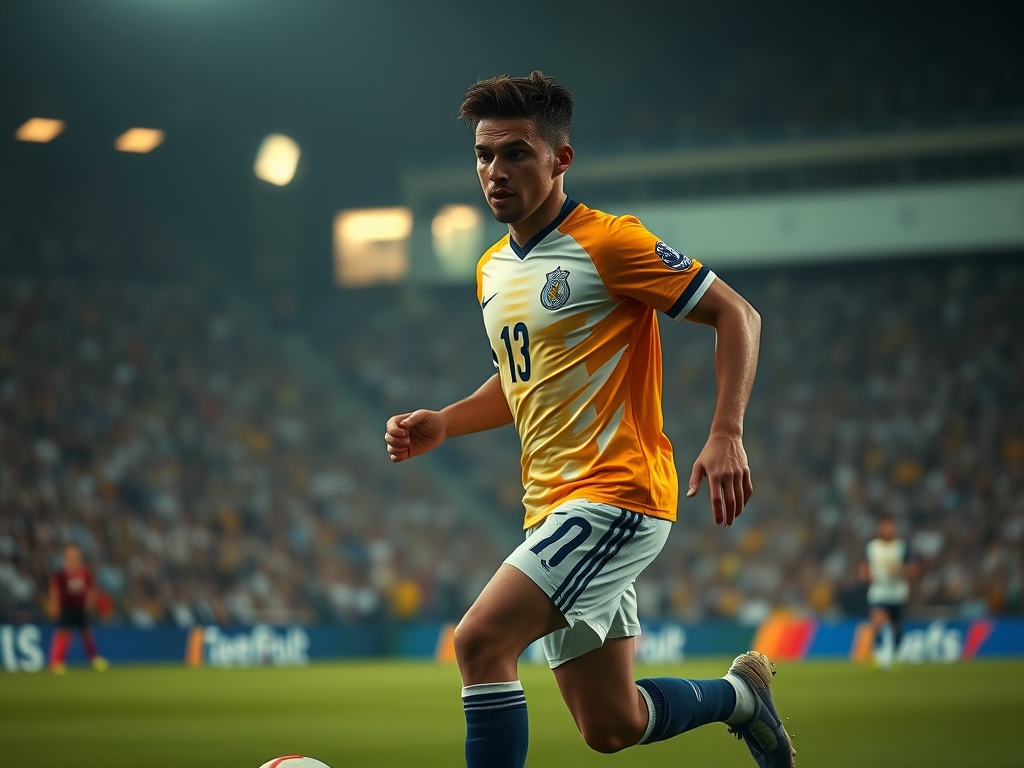
Brazil has excelled in maintaining possession and creating opportunities through quick passes and swift movements. However, in some recent matches, the team seemed overly reliant on individual plays, particularly from stars like Neymar and Vinícius Júnior. To prevent this reliance from becoming predictable, it is vital for other players, such as Richarlison and Rodrygo, to integrate more into the game, creating a network of passes that allows for smoother ball circulation.
Defensive Adjustments
Defensively, the Canarinho has shown solidity, but the transition to attack often leaves something to be desired. A tactical adjustment that could be considered is implementing a higher defensive line, allowing defenders to press opponents in their own half and reclaim possession more effectively. This would not only help maintain pressure on the opponent but also facilitate quick ball recovery and the creation of attacking opportunities.
Versatility in Midfield
Moreover, versatility in midfield is vital. Casemiro's presence is indisputable, but the Canarinho could benefit from a player who offers more creativity in build-up play, such as João Gomes. Introducing a more offensive midfielder could allow the team to play in a 4-2-3-1 formation, where two holding midfielders ensure defensive protection while three creative players focus on supplying the forwards.
Conclusion: The Path to Victory
With the World Cup approaching, the Canarinho needs to explore these tactical nuances to remain competitive. By incorporating these suggestions, Brazil can increase its chances of success and provide an exciting spectacle for fans. The potential is there; now it’s time to tweak it to shine in 2026.