 Brazil Hub
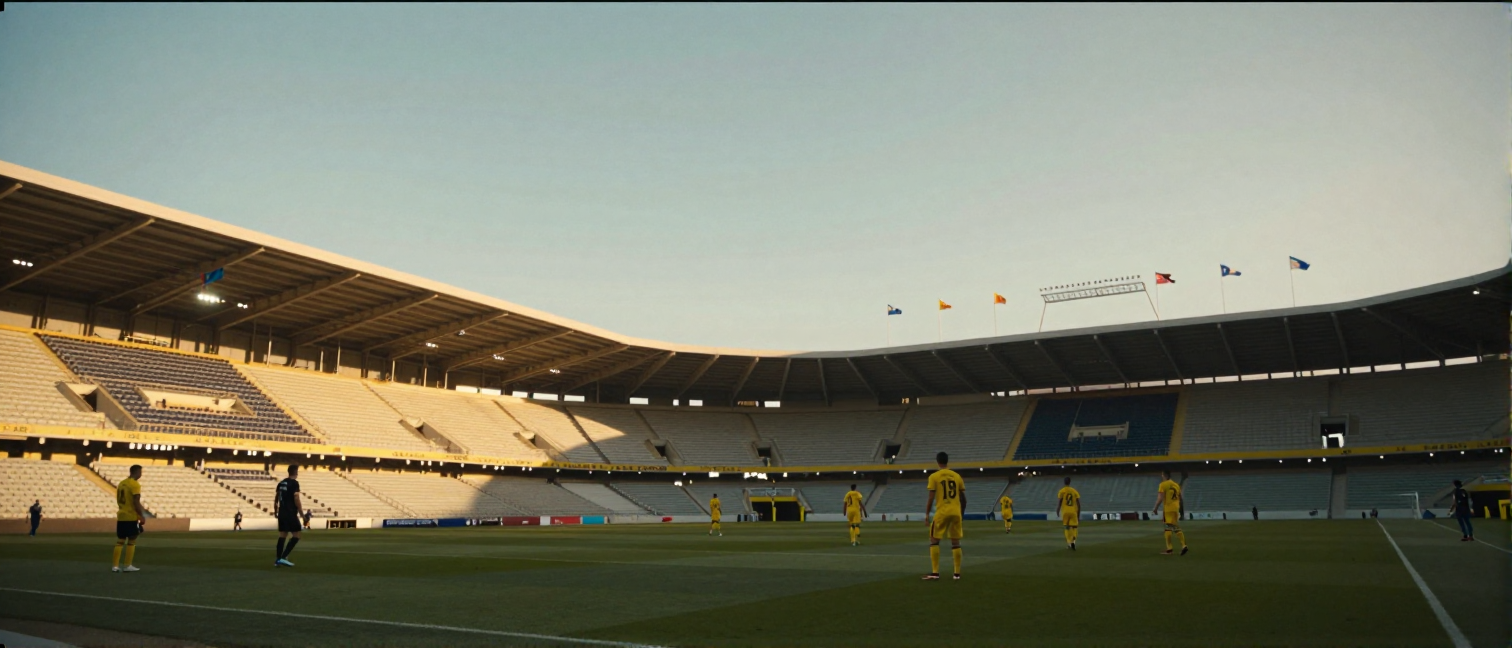
Brazil's national team was knocked out of the 2026 World Cup after a 2‑1 loss to Norway, ending the longest title drought since 1994. The setback, suffered in the group stage, sparked debates about the loss of the Amarelinha's dominance.
Why did the elimination surprise everyone?
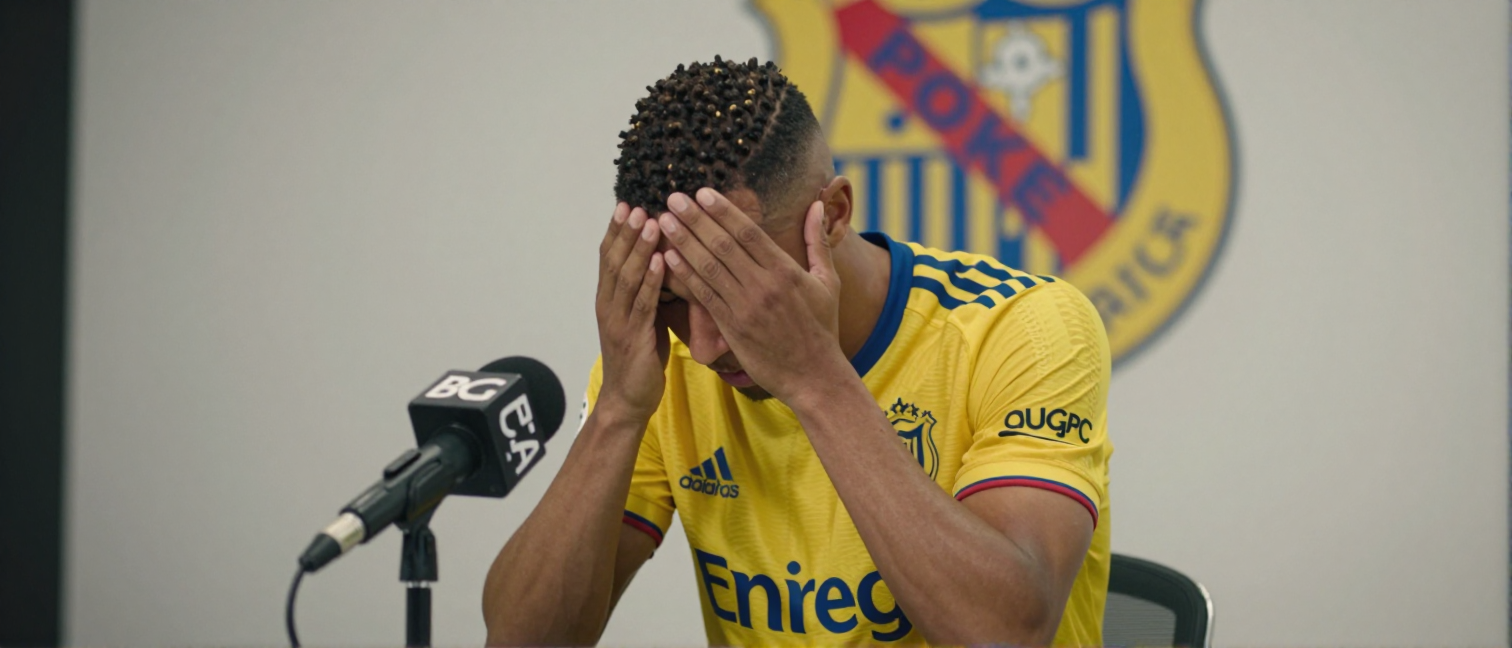
The defeat came on July 3, when Norway scored the winning goal in the 68th minute. Many analysts point to the lack of improvisation that once defined Brazilian football. ESPN researcher Celso Unzelte says “the improvisation with which Brazil surprised the world has less room and Brazil lost its hegemony.” Coach Tite, who led the side, has not commented officially yet, but the press is already demanding tactical changes.
How does the title drought reflect current performance?
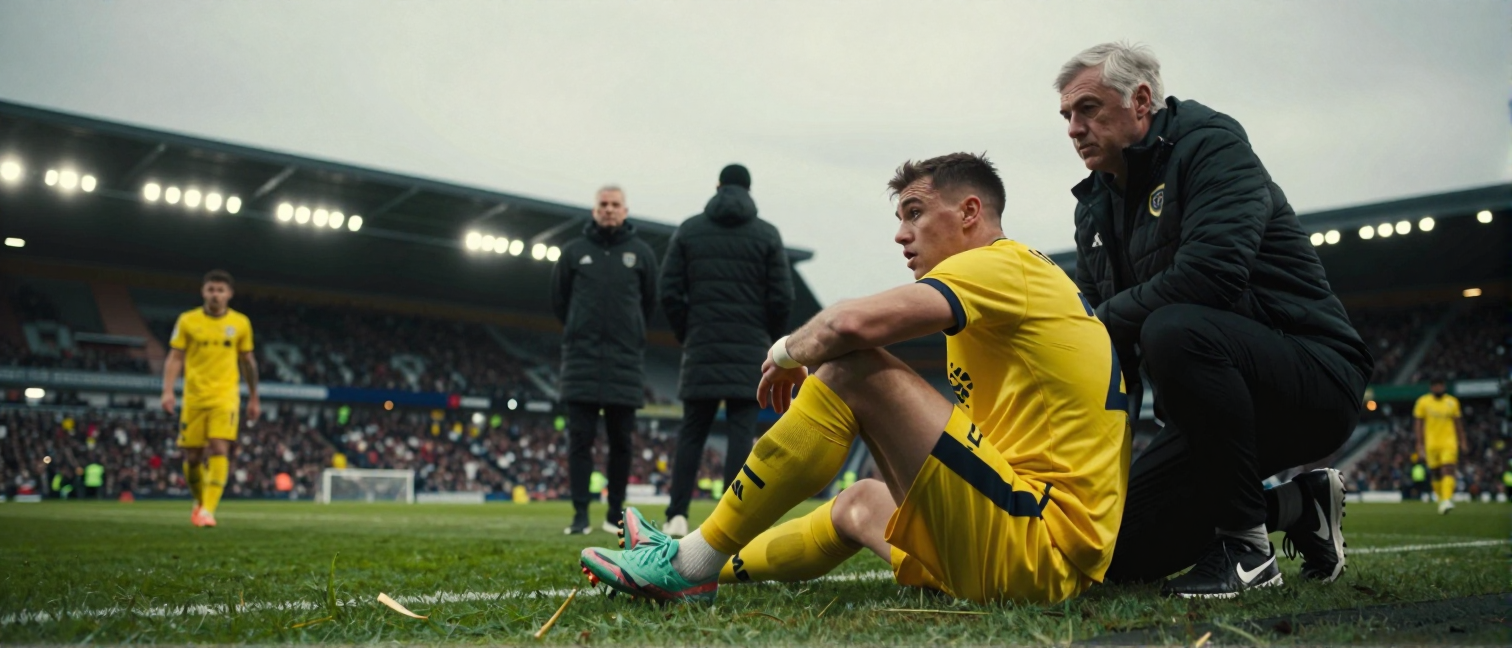
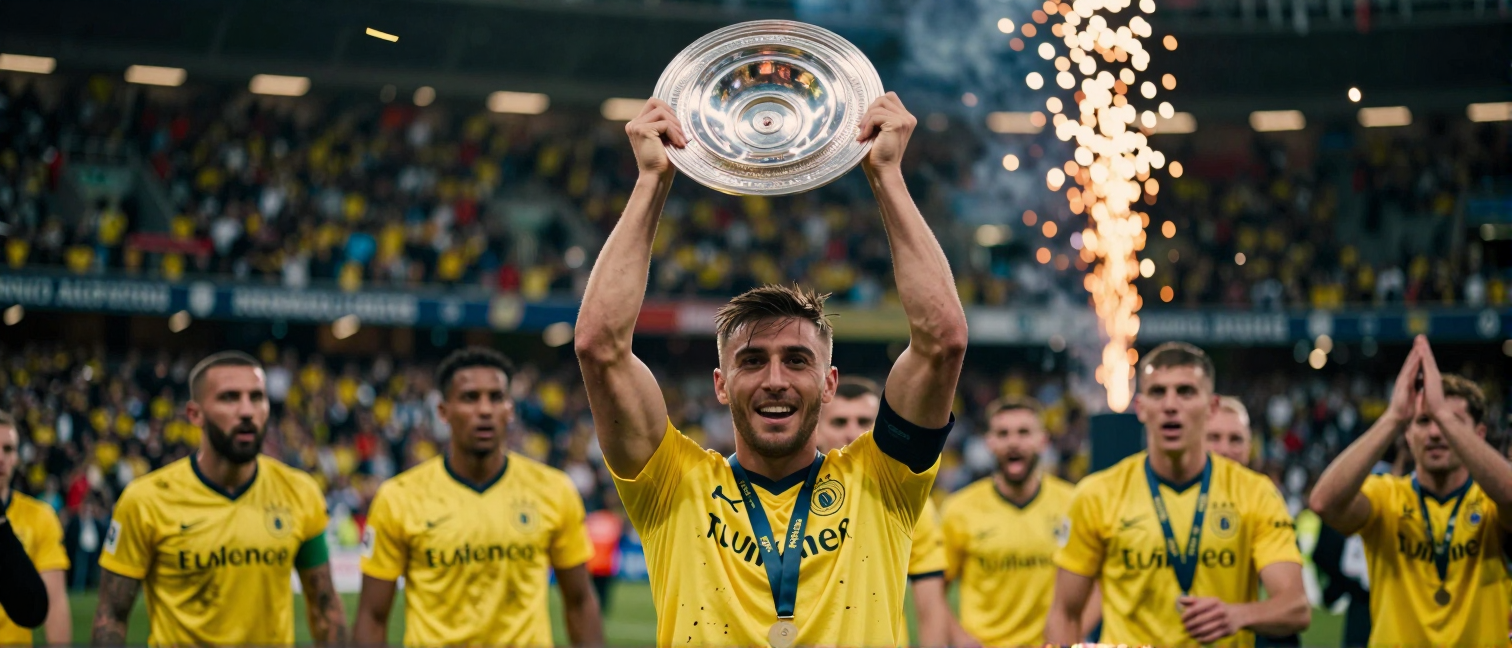
Since the 1994 triumph, the team has endured 28 years without a trophy. The last title was lifted by Cafu in 2002, when Brazil won the Nations Cup. Today, Brazil’s recent form is 2W‑1D‑1L (DWLW), with the most recent result a 1‑1 draw against Tunisia on November 18, 2025. This run shows instability, especially in defense, which has conceded three goals in the last four matches.
Who has stood out despite the crisis?
Vinícius Júnior has been the top scorer for the national side this season, netting four goals in five appearances. His performances keep hope alive that individual talent can still turn the team’s fortunes. Yet experts like Anderson Gurgel warn that “Brazilian football needs to adapt to the tactical and physical model that dominates the global scene.”
What lies ahead for the Amarelinha?
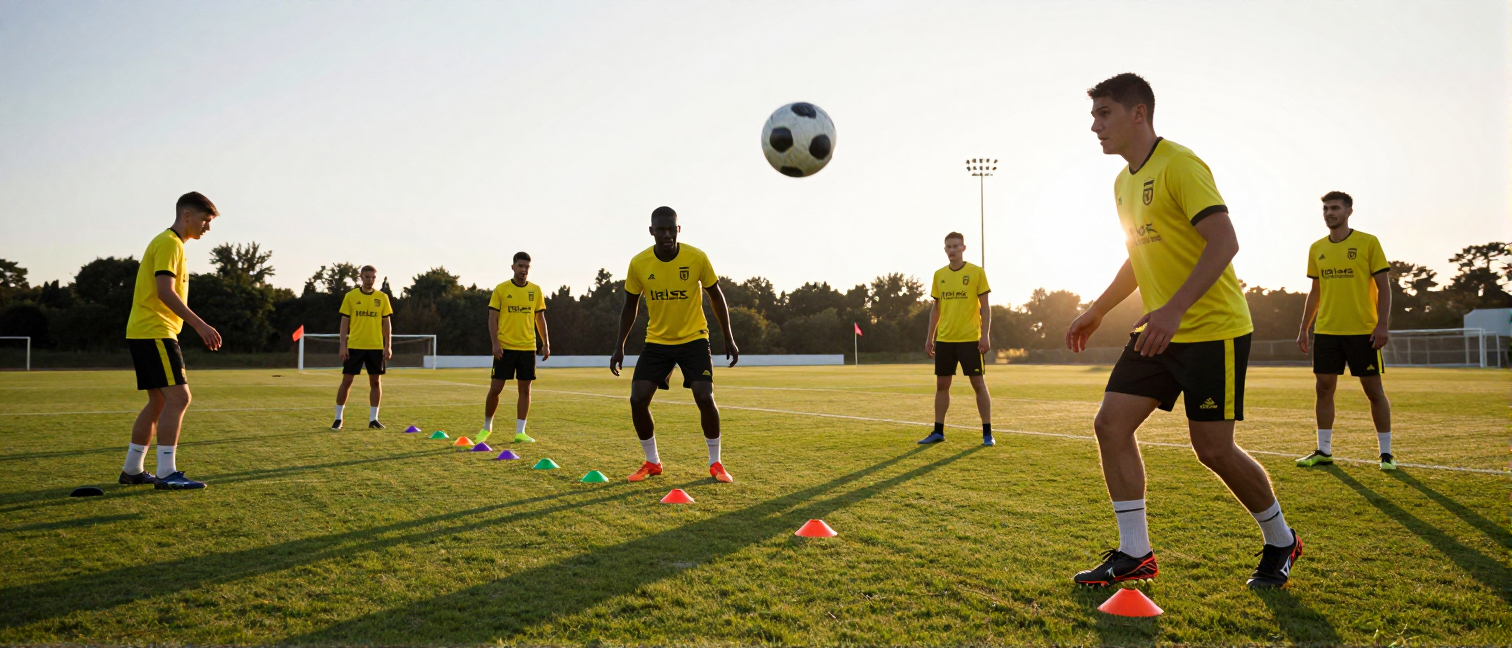
With the next World Cup set for 2030, Brazil will have 28 years to rebuild its identity. The conversation centers on investing in youth development, enhancing physical preparation, and adopting more analytical strategies. Meanwhile, fans remain split between nostalgia for golden years and the demand for a new project that will bring glory back to the yellow jersey again.