 Brazil Hub
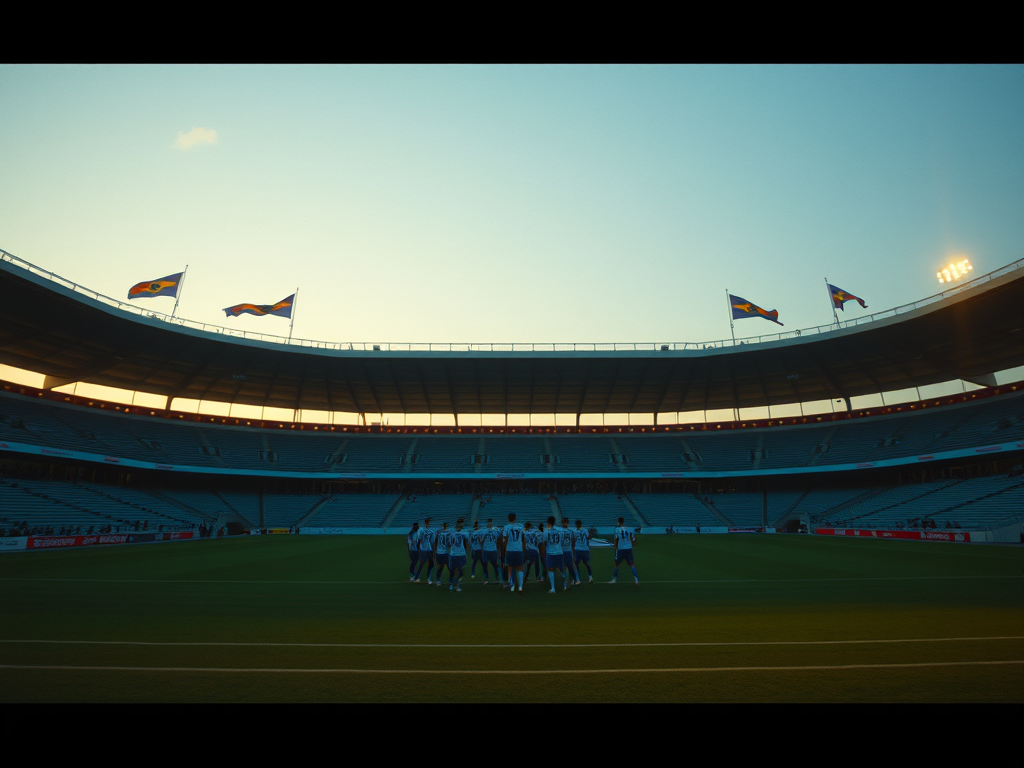
The 1970 World Cup, held in Mexico, is marked as one of the most iconic in football history, especially for the Seleção Canarinho. Under the guidance of coach Mário Zagallo and featuring legendary players like Pelé, Jairzinho, Tostão, and Rivelino, Brazil not only won the tournament but redefined what it meant to play football with beauty and effectiveness.
At that time, Brazilian football underwent a tactical revolution that emphasized collective play and creativity. The famous 4-2-4 formation used by Zagallo allowed players to showcase their individual skills while maintaining a solid defensive structure. The result was a team that not only won but enchanted the world with fluid, offensive football that had fans leaping from their seats.
One of the most memorable moments of that World Cup was the semifinal against Uruguay, where Brazil won 3-1. Each goal was a demonstration of talent and synergy, culminating in a performance that solidified Brazil's image as the football nation. Pelé, then 29 years old, was a driving force, scoring incredible goals and creating opportunities for his teammates.
The final against Italy, which ended 4-1 in favor of Brazil, was a spectacle that immortalized the Seleção Canarinho in sports history. Carlos Alberto Torres' goal, which sealed the victory, became one of the most iconic in football history. The way the team moved on the field, passing the ball with precision and executing rehearsed plays, left an indelible mark on the spirit of world football.
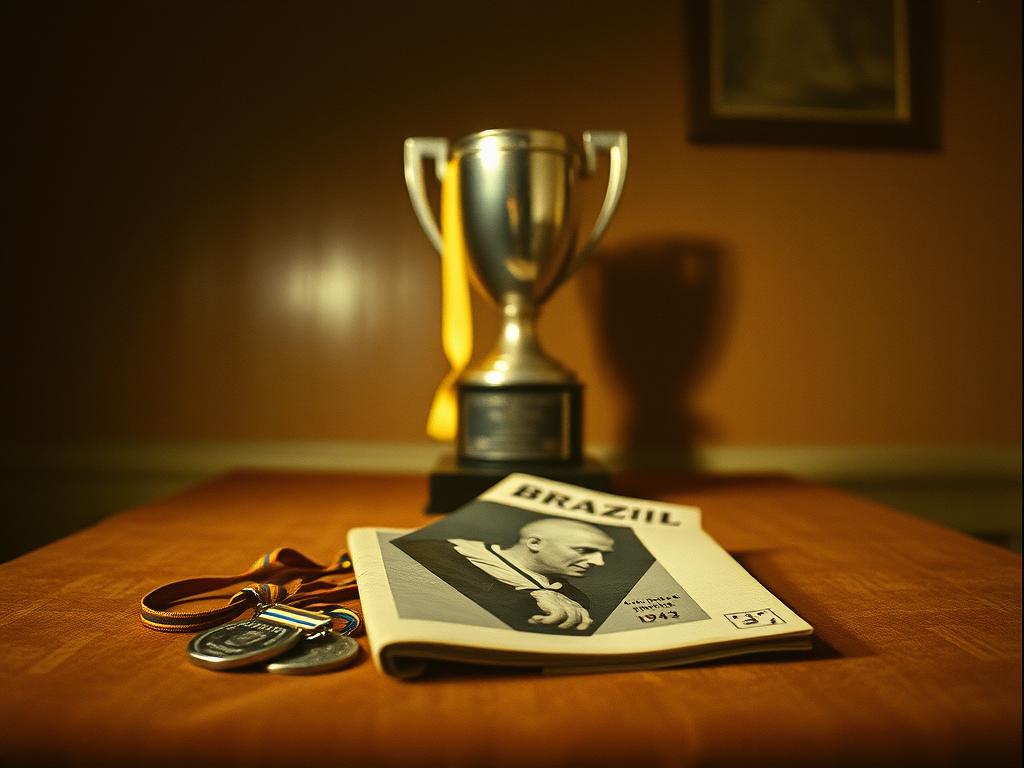
The legacy of the 1970 World Cup goes beyond trophies and medals; it influenced generations of players and coaches. The Brazilian game philosophy, focused on skill, joy, and teamwork, has become a standard of excellence. Even today, players from all over the world strive to emulate the playing style presented by the Seleção Canarinho that summer in Mexico.
As the Seleção prepares for the 2026 World Cup, the spirit of 1970 still echoes in the minds of fans and players. The pressure to reproduce that level of excellence and creativity is palpable, but it is also an inspiration. The history of the Seleção Canarinho is rich, and the 1970 World Cup remains a shining beacon in its tradition, reminding everyone that football is more than just a game; it is an art form.
Thus, as we look to the future, it is essential that the Seleção Brasileira not only remembers its glorious past but also finds ways to bring that same brilliance and magic back to the pitch. The challenge is set, and the fans, as always, are ready to support their team in pursuit of more glories, inspired by the Revolution of Brazilian Football that began in 1970.